For many Indian families, becoming a doctor is not just a career choice—it is a dream built on years of sacrifice, determination, and hope.
But with millions of students appearing for NEET every year and only a limited number of medical seats available, how realistic is that dream for the average student in India?
For many NEET aspirants and their parents, this question becomes increasingly important as competition grows and the cost of medical education continues to rise.
Every year, lakhs of Indian students dream of becoming doctors. For many families, especially middle-class households, medicine is not just a profession—it represents stability, respect, and the opportunity to serve society.
But the journey toward becoming a doctor in India has become increasingly competitive. The National Eligibility cum Entrance Test (NEET) has turned into one of the toughest entrance examinations in the country.
While many students clear the exam, only a small percentage manage to secure a medical seat—particularly in government colleges.
This leads to an important question many families begin to ask:
For students from middle-class backgrounds, the challenge is not only about clearing NEET but also about affordability.
Government colleges have limited seats, while private medical colleges often charge extremely high tuition fees, making them inaccessible for many families.
Because of this reality, a growing number of Indian students are exploring medical education abroad as a practical alternative.
Before exploring those opportunities, it is important to understand:
- How competitive NEET really is
- The chances of securing a medical seat in India
- The actual cost of studying MBBS in India
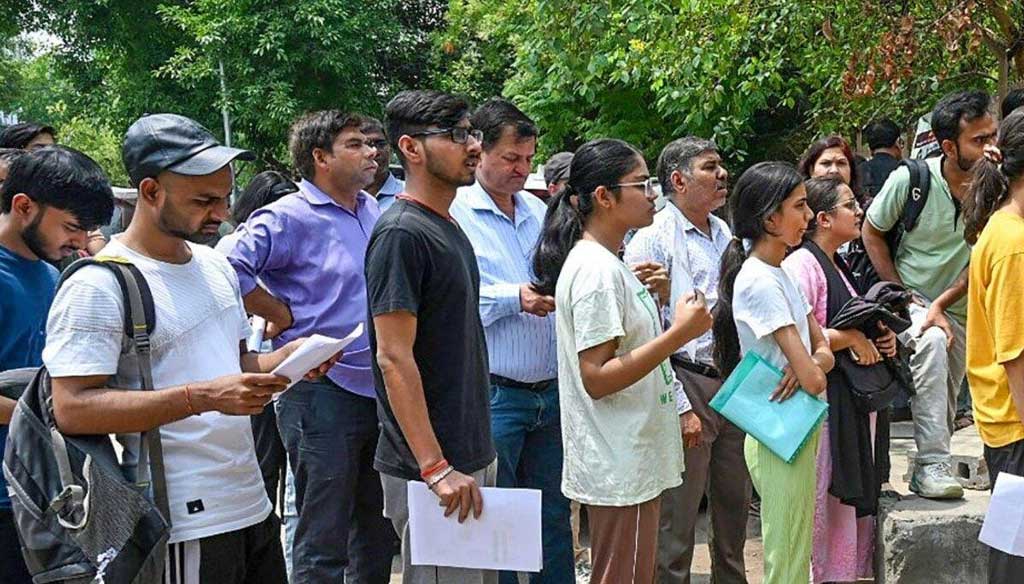
Image source: IANS
Understanding NEET: The Gateway to Medical Education in India
The National Eligibility cum Entrance Test (NEET) is the single entrance examination required for admission into medical courses such as: MBBS, BDS, AYUSH programs, and other allied medical courses.
Every student who wishes to pursue medicine in India must qualify for NEET.
But here's a question that many parents quietly wonder:
Unfortunately, the answer is no.
How Competitive is NEET?
The numbers clearly show how competitive NEET has become. More than 20 lakh students appear for NEET every year. India has approximately 1 lakh MBBS seats. Government medical college seats are less than half of this number. This means that millions of students compete for a very limited number of seats.
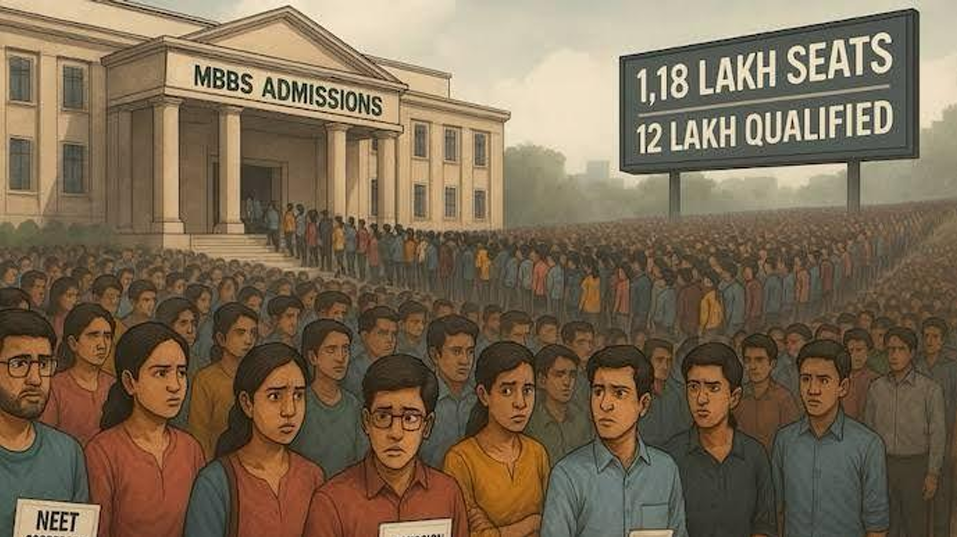
Image source: India Today
Even among students who qualify NEET, many do not get admission to an MBBS program.
This raises another important question for NEET aspirants: If lakhs of students qualify NEET every year, why do so many still struggle to get a medical seat? The simple answer lies in the imbalance between demand and availability.
Reasons for the Difficulty
1. High Competition
With more than 20 lakh students competing, even a difference of a few marks can significantly impact a student's ranking. Many capable students miss seats simply due to the sheer scale of competition.
2. Limited Government Medical Seats
Most students aim for government medical colleges because they offer high-quality education at affordable fees. But government seats are extremely limited. This leads many parents to ask: What happens if a student scores well but still doesn't get a government seat?
3. High Cut-Off Marks
To secure admission in a reputed government medical college, students often need very high NEET scores. Even students scoring well above average sometimes miss out due to high cut-offs.
4. Pressure and Preparation
Many students spend two to three years preparing intensively for NEET, often attending coaching institutes alongside their school studies. Late-night study sessions, mock tests, and constant pressure become part of daily life for NEET aspirants. But despite all this effort, not every student secures a medical seat.
Chances of Getting a Government Medical Seat in India
For most Indian families, government medical colleges represent the ideal path to becoming a doctor.
Why? Because they provide excellent medical education at a very affordable cost.
Government colleges typically charge significantly lower tuition fees than private institutions. However, the biggest challenge is availability.
Out of the millions of NEET applicants:
- Only a small percentage secure government MBBS seats
- Students often need very high ranks to qualify
This leads to a common dilemma for many students: What should a student do if they narrowly miss a government medical seat?
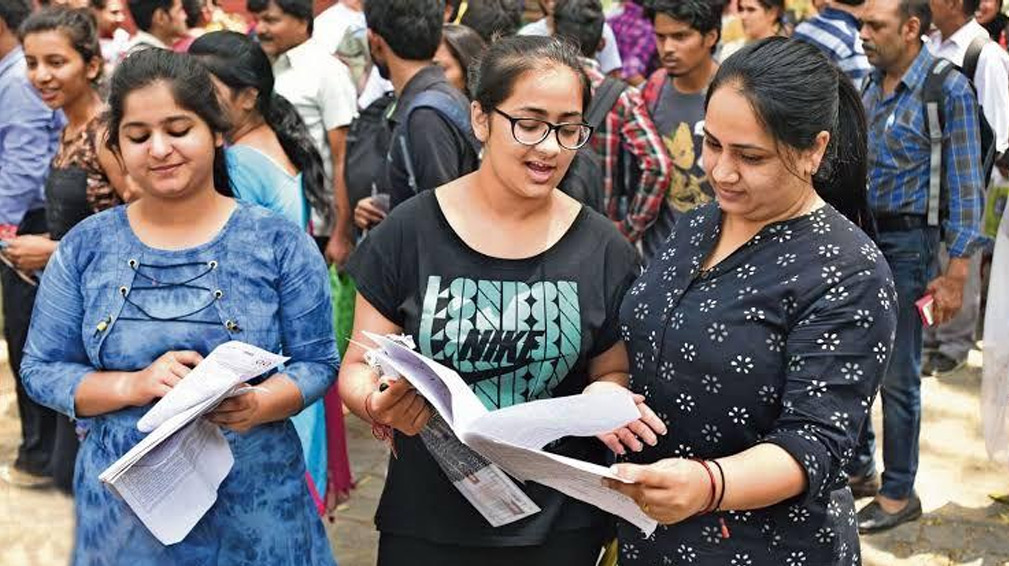
Image source: Mint
Chances of Getting a Private Medical Seat in India
Students who do not secure government seats may consider private medical colleges. Private colleges offer more seats, but they come with a major challenge: cost.
Although students still need to qualify NEET, the primary barrier becomes financial affordability rather than admission eligibility.
Cost of Studying MBBS in India
One of the most important factors for families is the total cost of medical education.
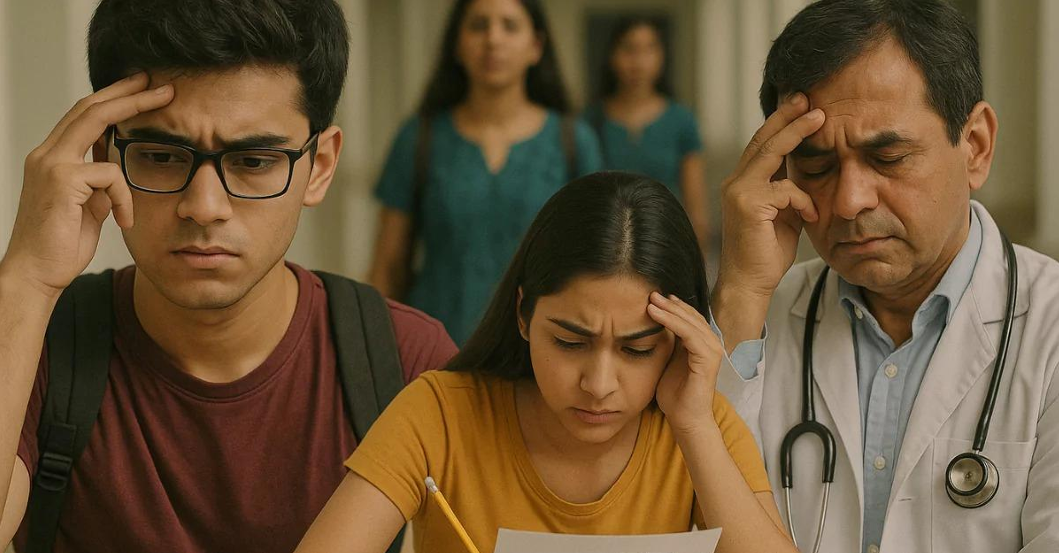
Image source: AI generated visual
The Reality for Middle-Class Aspirants
India has thousands of talented students who dream of becoming doctors.
Many of them come from middle-class families that deeply value education, but may not have the financial resources required for expensive private colleges.
When a student narrowly misses a government seat, families often face three choices:
- Pay extremely high fees for private colleges
- Take a gap year and attempt NEET again
- Explore medical education opportunities abroad
But taking multiple gap years can also create uncertainty.
This leads many students to ask themselves: Is there another pathway to becoming a doctor without waiting years for another NEET attempt?
Why Students Begin Exploring MBBS Abroad
In recent years, an increasing number of Indian students have started considering MBBS abroad.

Image source: WorldwideColleges.com
This shift is driven by several factors:
- Limited government medical seats in India
- Extremely high private college fees
- Increasing NEET competition
- Availability of internationally recognized universities abroad
For many Indian students considering MBBS abroad, this option offers a way to continue their medical education without facing years of uncertainty.
Countries offering medical education often provide:
- Relatively affordable tuition fees
- Modern medical infrastructure
- Global exposure for students
However, choosing to study medicine abroad requires careful research and proper guidance. Students must ensure that their chosen university complies with medical licensing regulations required for practicing in India.
Important Advice for Students and Parents
Before making any decision regarding medical education, students and parents should carefully evaluate all available options.
Important factors to consider include:
- Total cost of education
- University recognition and accreditation
- Clinical training opportunities
- Licensing requirements for practicing in India
- Long-term career goals
Medical education is not just a degree—it is a long-term commitment to a professional journey in healthcare. Making an informed decision today can shape a student's future.
Frequently Asked Questions (FAQs)
How many students appear for NEET every year?
More than 20 lakh students appear for NEET annually, making it one of the most competitive entrance exams in India.
Is NEET very difficult to clear?
The syllabus is based on Class 11 and 12 concepts, but the extreme level of competition makes it challenging to secure a high rank.
What are the chances of getting a government MBBS seat?
Only a small percentage of NEET aspirants secure government medical seats due to limited availability and high cut-off scores.
Why are private medical colleges expensive?
Private medical colleges operate without government funding, which results in higher tuition fees and operational costs.
Is studying MBBS abroad a good option for Indian students?
For students who cannot secure affordable seats in India, MBBS abroad can be a practical alternative, provided the university follows required regulations.
The dream of becoming a doctor continues to inspire millions of students across India. Yet the combination of intense NEET competition, limited government seats, and high private college fees has made this dream increasingly difficult to achieve through traditional pathways.
For many middle-class families, the question is no longer just about clearing NEET—but about finding an affordable and realistic path to medical education.
With proper research, reliable guidance, and informed decision-making, students can still pursue their dream of becoming doctors—even when the path looks different from what they originally imagined.