What truly makes a doctor—a degree or real patient experience? For students planning to pursue MBBS abroad, one factor outweighs everything else: clinical exposure.
You might choose a university with a stunning campus or affordable fees, but without access to real patients, are you truly becoming a doctor—or just a medical historian?
What is Clinical Exposure? (The Bedside Reality)
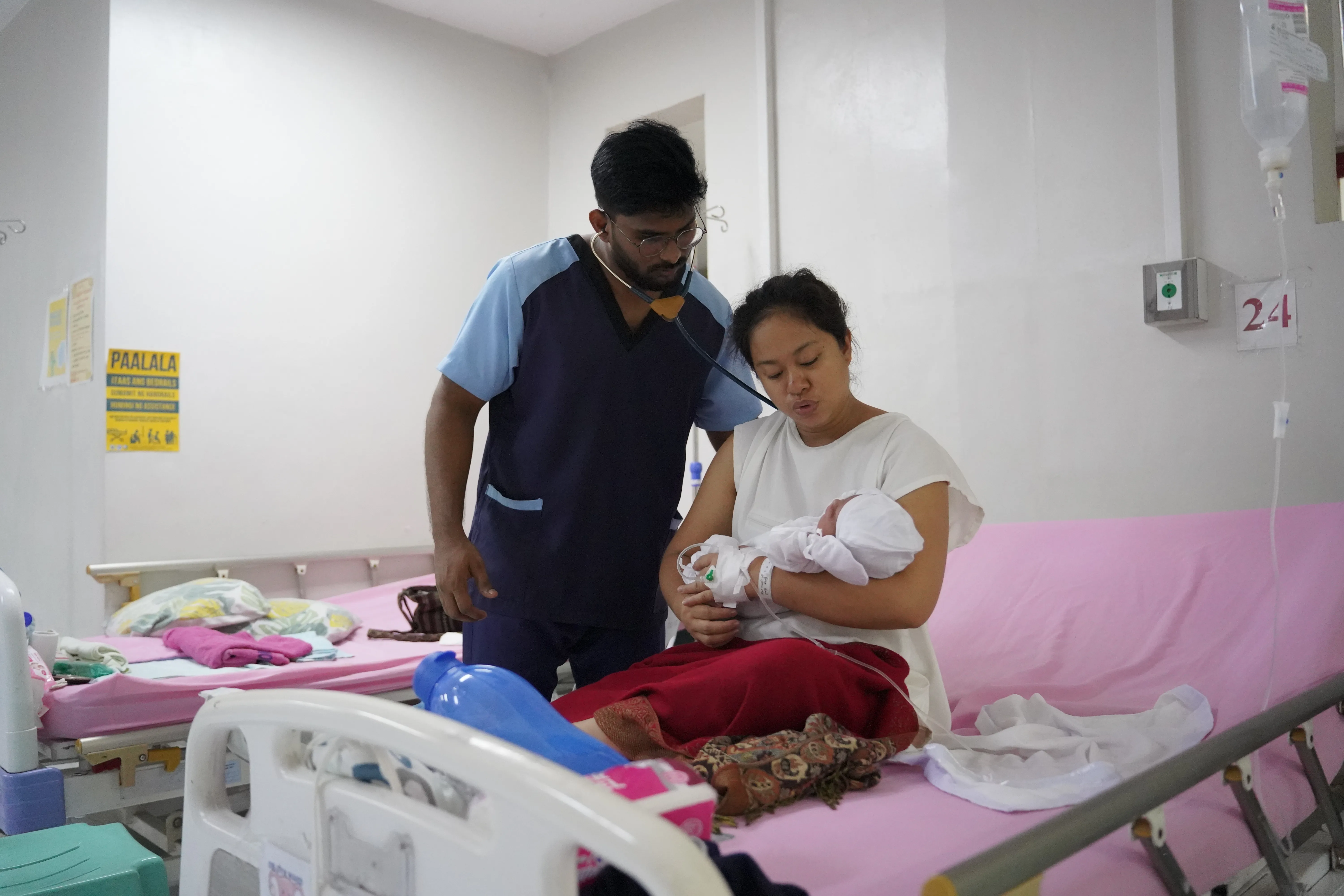
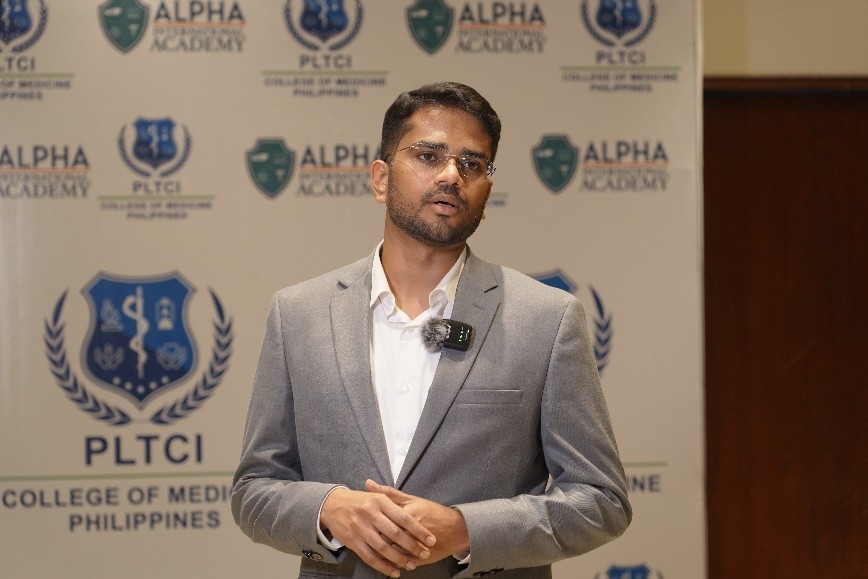
Image source: YourPLTCI
Think of clinical exposure as the bridge between "knowing" and "doing." In simple terms, it is the supervised time a medical student spends in a hospital, interacting with real people who have real ailments. It's the difference between reading a description of a heart murmur in a textbook and actually hearing that rhythmic "whoosh" through your stethoscope. It is where the abstract concepts of biology and chemistry finally take the form of a human life.
Why Clinical Exposure Matters More Than Theory
Let's be honest: in the age of digital learning, you can watch a surgery on YouTube from anywhere in the world. But can you feel the tension in a suture? Can you sense the subtle change in a patient's breathing?
- Muscle Memory: Procedures like taking an arterial blood gas sample or performing a lumbar puncture require physical practice that a book simply cannot provide.
- The "Sick Patient" Instinct: High-quality exposure trains your brain to recognize "sick" vs. "not sick" instantly—a skill that saves lives in emergency rooms.
- Communication: A huge part of being a doctor is empathy. You can't learn how to comfort a grieving mother or explain a complex surgery to a nervous patient from a PowerPoint slide.
Low vs High Clinical Exposure: A Critical Difference
.jpg)
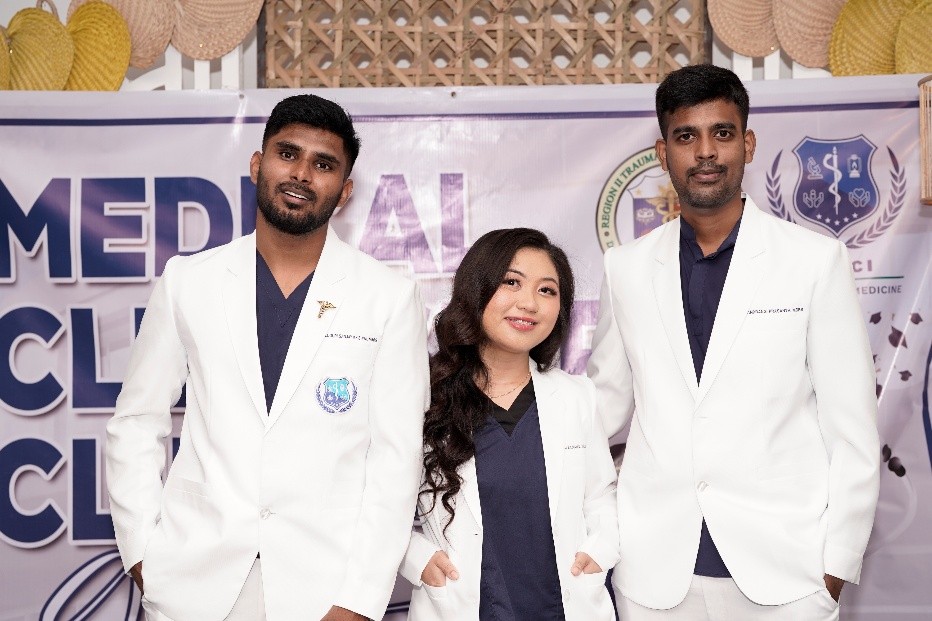
Image source: YourPLTCI
In the world of MBBS abroad, not all hospital training is created equal.
- The Spectator Trap (Low Quality): Some universities send students to hospitals where they are only allowed to "observe." You stand behind a yellow line, watching a local doctor treat a patient. You aren't allowed to touch, talk, or assist. One student from Kazakhstan shared she never touched a patient—not even took BP.
- The Junior Doctor Experience (High Quality): In destinations like the Philippines, students enter a "Clerkship" phase. At PLTCI College of Medicine, through R2TMC (a 600+ bed national hospital), students gain extensive hands-on experience—taking histories, performing exams, and assisting in procedures under consultant supervision.
Why Base Hospitals Matter in MBBS Abroad
When you are researching colleges, the term "Base Hospital" should be at the top of your list. A base hospital is the primary teaching facility affiliated with the university.
- Capacity: Does the hospital have 500 beds or 50? A small private clinic won't give you the variety of cases you need.
- Government vs. Private: Government hospitals in populous countries usually have a massive "patient load." This is a goldmine for students. The more patients you see, the better doctor you become.
Hands-On vs. Observational Learning
.jpg)
Image source: YourPLTCI
Why settle for being a witness when you could be a participant?
- Observational: You watch. You forget.
- Hands-on: You do. You learn.
In India, the NExT/FMGE exam (National Exit Test) is increasingly focused on clinical scenarios. If you haven't had hands-on experience abroad, you will find it incredibly challenging to pass the practical components of the Indian licensing exams. Many PLTCI College of Medicine students say their strong clinical training helped them clear FMGE on the first attempt.
Language Barrier: The Hidden Challenge in MBBS Abroad
This is where many Indian students in countries like Russia, China, or Poland face a massive wall: the language barrier. If you don't speak the patient's language, your hands-on experience becomes almost meaningless. In the Philippines, English is the official medium of instruction and the language of the healthcare system.
- You can talk directly to the patients.
- You can understand the nurses' notes.
- You can participate in the "Morning Rounds" without a translator.
Common Mistake: Choosing Campus Over Clinical Training
Too many students and parents choose a university based on how modern the library looks or how fancy the dormitories are. While comfort is important, a "five-star" campus with a "one-star" hospital is a recipe for career failure. The most common mistake is failing to check the patient-to-student ratio. If there are 40 students crowded around one patient's bed, how much are you really learning? At R2TMC, through PLTCI College of Medicine, one patient is typically assigned to just 2 students, ensuring better hands-on experience.
How Clinical Exposure Impacts NExT/FMGE Performance
India's medical licensing exams are shifting towards clinical scenario-based questions. The exam now asks questions like: "A 45-year-old male presents with X, Y, and Z symptoms. What is your next step?" If you have seen that 45-year-old male in real life during your rotations, the answer is intuitive. If you've only read about him, you'll be second-guessing yourself under exam pressure.
Signs of a "Gold Standard" Clinical Setup
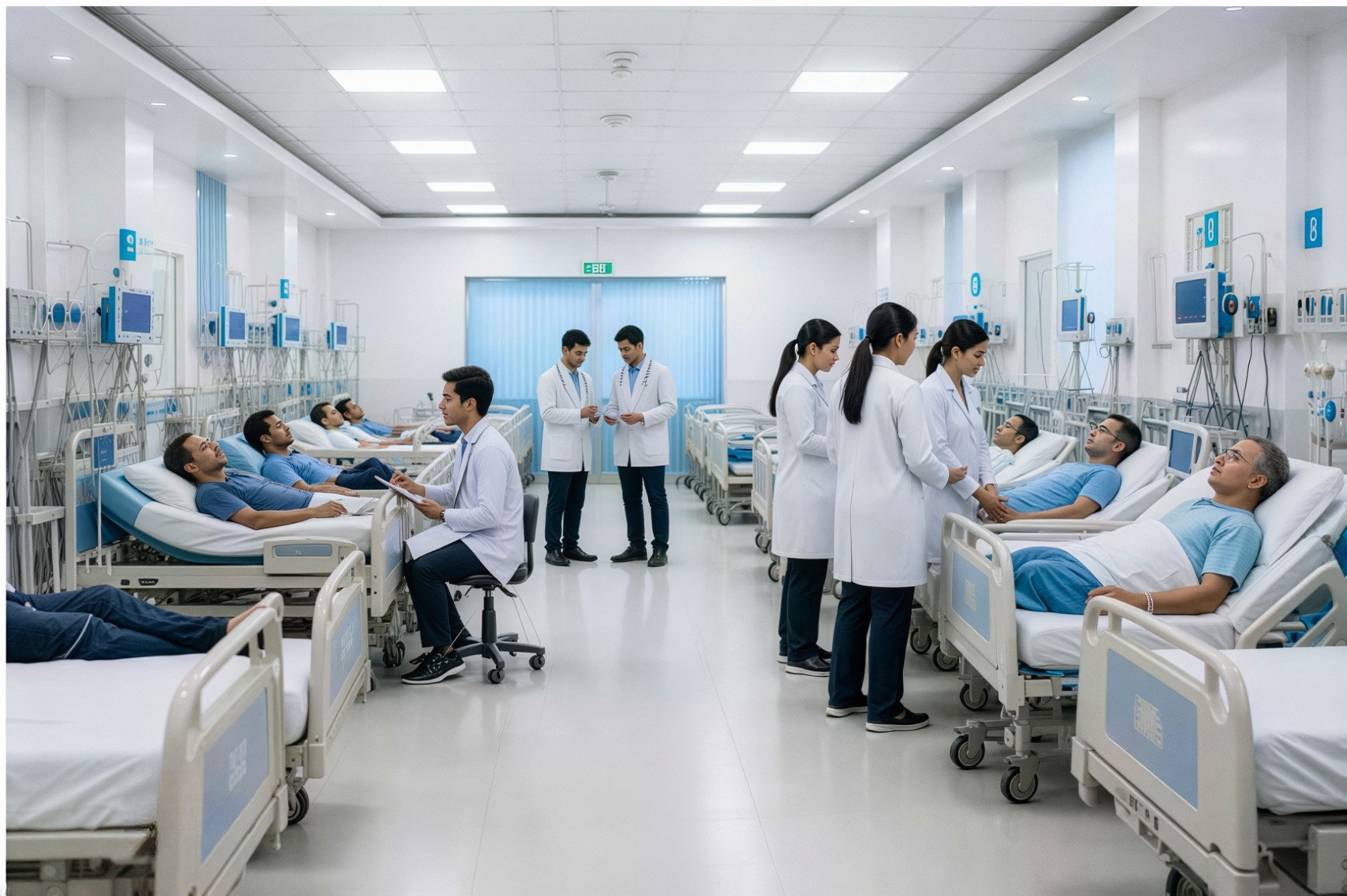
Image source: AI generated image
How do you know if a university is telling the truth about its training? Look for these signs:
- 1
Affiliation with Public Hospitals
Large-scale government hospitals offer the most diverse cases.
- 2
English Communication
All bedside teaching is conducted in English.
- 3
Night Rotations
Does the curriculum include "on-call" shifts? Medicine doesn't stop at 5 PM.
- 4
Logbook Culture
Every student should maintain a logbook of procedures they have personally assisted in or performed.
Choose Experience, Not Just a Degree
.jpg)
Image source: YourPLTCI
Medical education is not just a degree; it is a long-term commitment to a professional journey. As the competition in India continues to rise, looking abroad is a practical alternative—but only if you choose wisely.
Don't be swayed by glossy brochures. Ask about the hospitals. Ask about the patients. Ask about the language. Because when you finally stand in that hospital in India as a licensed doctor, the only thing that will matter is the experience you gained at the bedside.