
"Even if I clear NEET… will I actually get a medical seat I can afford?" is a moment of reflection that comes for every student preparing for NEET.
It's a question quietly echoing in households across India—from Chennai to Delhi, Coimbatore to Hyderabad. For countless families, becoming a doctor goes beyond passion; it's about affordability, limited seats, and the reality of securing a medical future.
In this article, let's take an honest, practical look at:
- Government vs private MBBS fees in India
- Real chances of medical seat
- What students can expect after NEET 2026
- And the decisions families often face
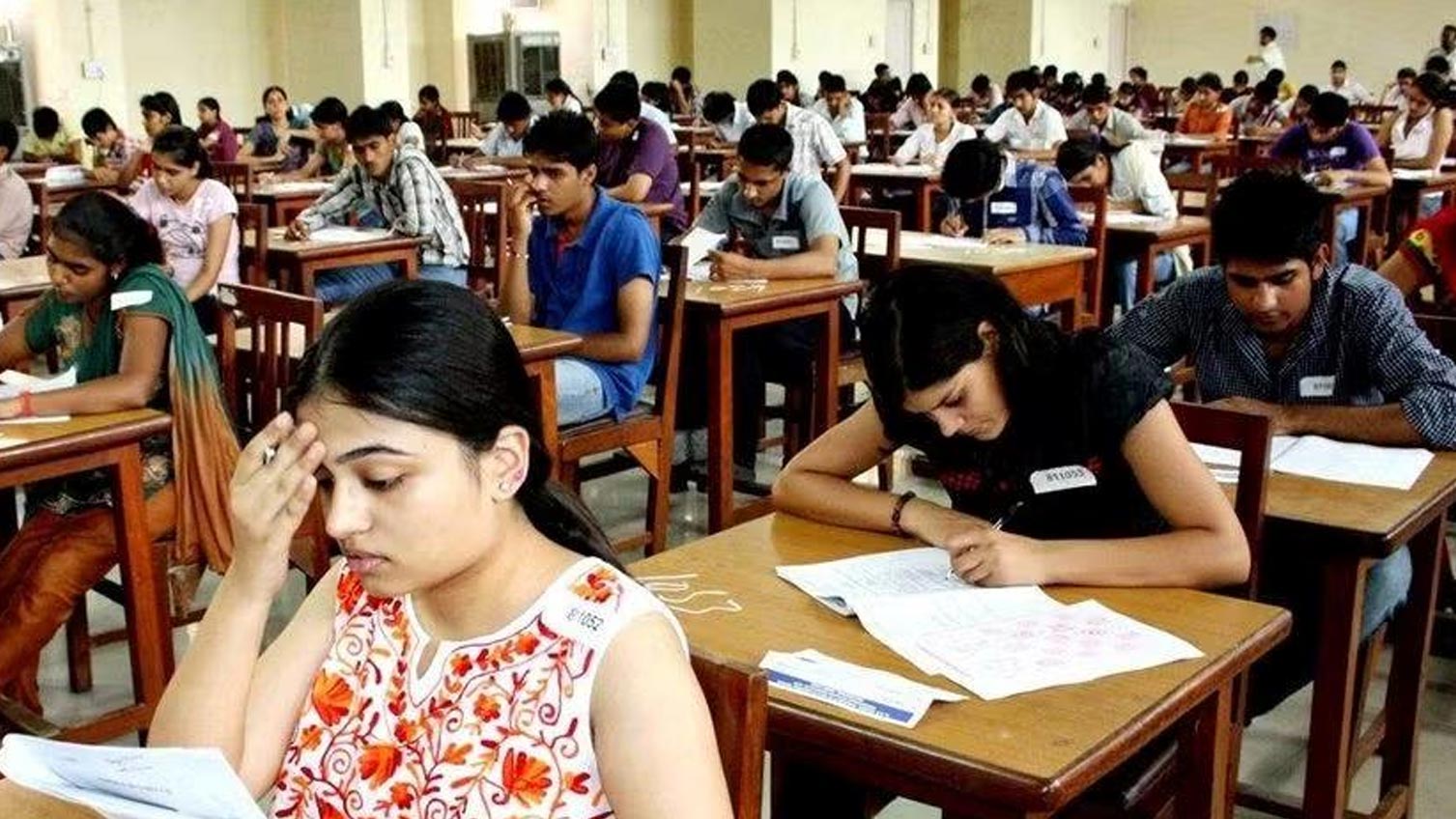
Image source: Huffpost
Understanding the Reality of MBBS seats in India
Every year, over 20 lakh students appear for NEET, all competing for roughly 1 lakh MBBS seats across India.
Take a moment to really think about that.
What does this truly mean for you as a student?
It means:
- Not every student who qualifies in NEET will secure an MBBS seat
- An even smaller percentage will make it into a government medical college
- For many families, affordability becomes the deciding factor
This widening gap between aspiration and availability is exactly where most students begin to feel uncertain and stuck.
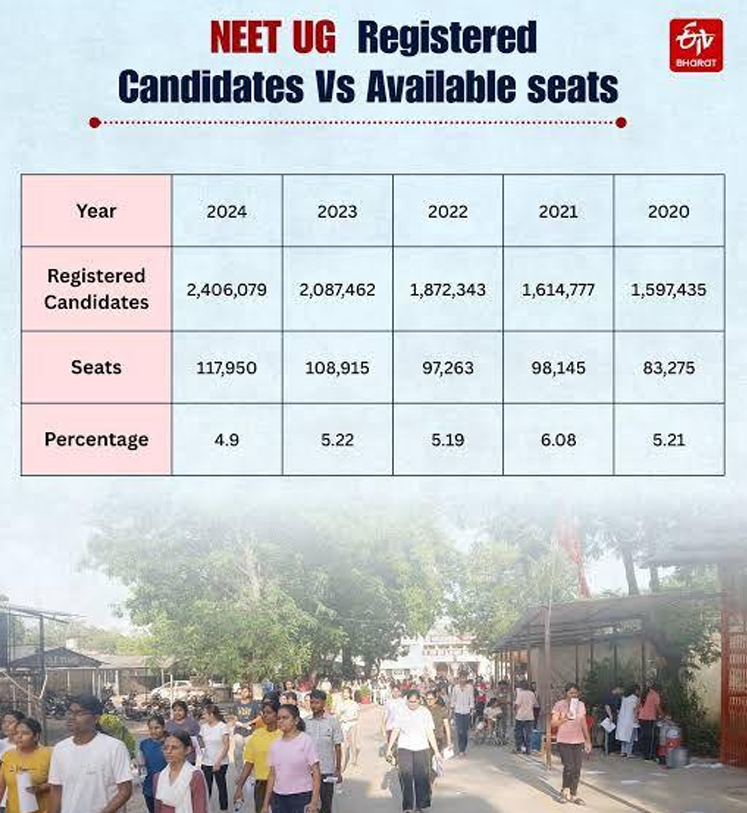
Image source: ETV Bharat
Government Medical Colleges in India
For most Indian families, government medical colleges are the first preference. Why? Because they offer: High-quality education, Experienced faculty, Well-equipped hospitals, and most importantly—low fees.
Government MBBS Fees in India
The total cost of studying MBBS in a government college is relatively affordable:
- ₹1 lakh to ₹10 lakh for the entire course
- Some states also provide subsidized education for reserved categories
Compared to many other professional courses, this is quite economical.
But here's the key question: If government colleges are so affordable, why isn't everyone able to secure a seat?
Chances of Getting a Government MBBS Seat
This is where the reality hits. Out of nearly 20 lakh NEET aspirants, only around 40,000–50,000 government MBBS seats are available.
These seats are divided into:
- All India Quota (15%)
- State Quota (85%)
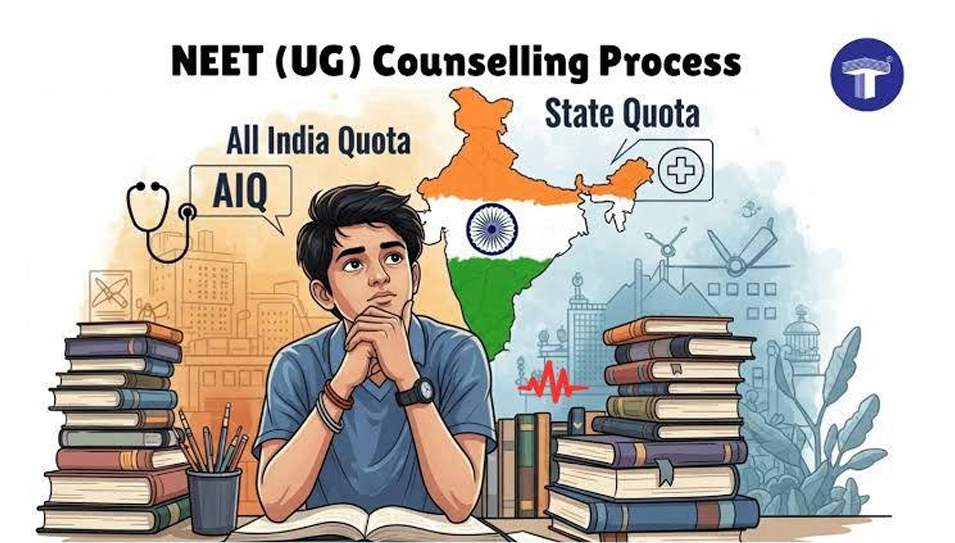
Image source: Target Publications
So, what does it really take to secure a government MBBS seat?
- A very high NEET score
- A strong All India Rank (AIR)
- Consistent academic performance
Even then, students scoring 550–600+ marks may not always secure a seat, depending on state-wise cut-offs, category, and availability of seats.
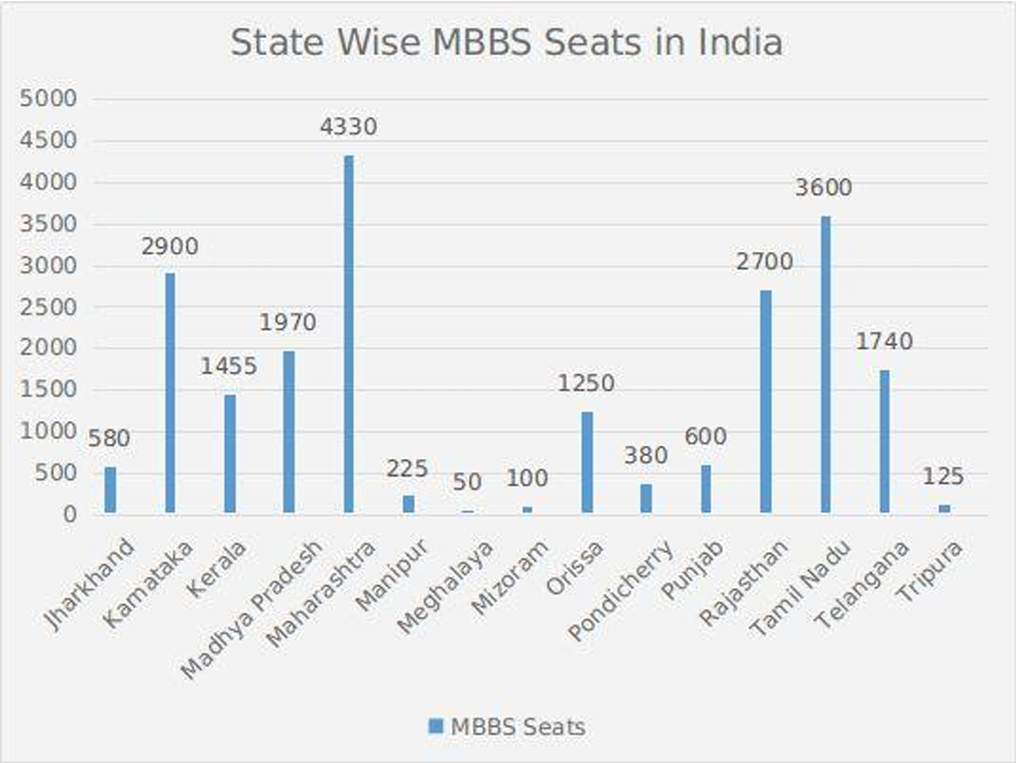
Image source: Collegedheko
Private Medical Colleges in India: More Seats, Higher Costs
When securing a government seat becomes challenging, many students turn toward private medical colleges. These institutions offer: greater seat availability, modern infrastructure, and quicker admission opportunities.
Considering all these factors, is it financially feasible for you?
Private medical education in India is significantly more expensive. The approximate fee structure typically ranges from ₹60 lakhs to ₹1.5 crore, and in some top-tier colleges, it can go even higher.
Additional costs include hostel and accommodation, food and living expenses, lab and clinical charges, and examination fees. By the end of 5.5 years, the total investment can easily exceed ₹1 crore.
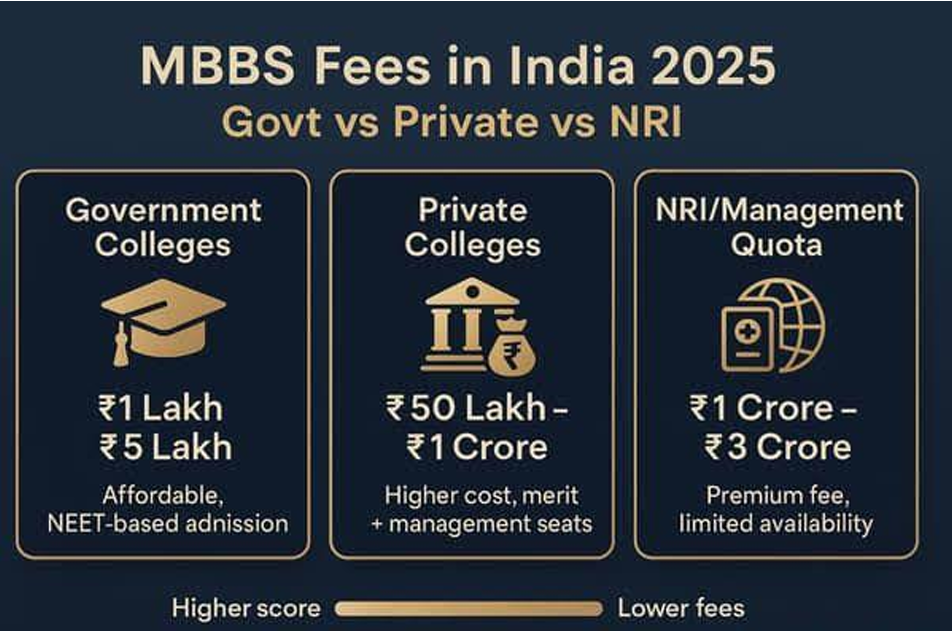
Image source: Collegedunia
The Middle-class Dilemma
Your child clears NEET, scores decently, but misses a government seat by a small margin. Now you are faced with three choices: choose a private medical college, take a drop year, or explore MBBS abroad.
At this point, many families start asking a different question: Is there another way to become a doctor without extreme financial or academic pressure? This is where students begin exploring pursuing MBBS abroad. Not as a shortcut—but as a practical solution.

Making the Right Decision: What should you consider?
Before deciding between a government or private college, take a step back and ask yourself:
- 1
What is your NEET score and realistic rank?
Be honest about where you stand.
- 2
What is your family's financial capacity?
Choose an option that doesn't lead to long-term financial strain.
- 3
What are your long-term goals?
Look beyond MBBS—consider PG, specialisation and your future career path.
At the end of the day, what matters the most is: What is the most suitable path for this student—not just academically, but also financially and emotionally? Are you making this decision under pressure—or based on what truly works for your future?
Because the right choice isn't always the most popular one. It's the one that aligns with your goals, resources, and reality.
With the right information, guidance, and clarity, every student can find a path that suits them.