"Why do some students clear FMGE in their very first attempt while others spend years trying?"
The FMGE is often viewed as the biggest hurdle for Indian students returning home after completing their medical education abroad. Every year, thousands of graduates sit for the examination with the same goal—to earn the right to practise medicine in India.
Yet, when the results are announced, one question inevitably arises: Why do some students clear FMGE in their very first attempt while others spend years trying?
The answer isn't as simple as saying the exam is "too difficult." More often than not, the difference lies in the quality of education, clinical exposure, and academic foundation students receive throughout medical school—not just in the months leading up to the exam.
Image source: MBBS Abroad Info
FMGE Isn't Just Another Entrance Exam
Many students begin preparing for FMGE only after graduation, believing that a few months of coaching and revision will be enough. But FMGE doesn't simply test how well you've memorised textbooks—it tests how well you've understood medicine.
The examination is increasingly clinical in nature. Instead of asking students to recall isolated facts, it presents real-life scenarios that require logical thinking, diagnosis, and decision-making.
A student who has spent years observing consultants, interacting with patients, attending ward rounds, and assisting during procedures naturally approaches these questions differently from someone whose learning was confined largely to classrooms.
The Foundation You Build Today Determines the Results You See Tomorrow
A strong medical foundation cannot be built overnight.
Every anatomy lecture, pathology discussion, clinical posting, and patient interaction adds another layer of understanding. Students who are encouraged to ask questions, discuss cases with faculty, and apply theoretical concepts in hospitals gradually develop the clinical reasoning required not only to clear FMGE but also to become competent doctors.
On the other hand, students who receive inconsistent teaching or limited hospital exposure often find themselves trying to rebuild years of missed learning after graduation. At that stage, even the best coaching centres can only revise concepts—they cannot replace the education that should have happened over five or six years.
Clinical Exposure: The Difference Between Memorising and Understanding
A textbook may describe the symptoms of pneumonia, but examining a breathless patient in a hospital leaves a far deeper impression than any paragraph ever could.
Reading about fractures is one thing; observing orthopaedic surgeons manage trauma cases is another. Learning about labour in a classroom is vastly different from assisting in a delivery room.
This is where many students gain an advantage.
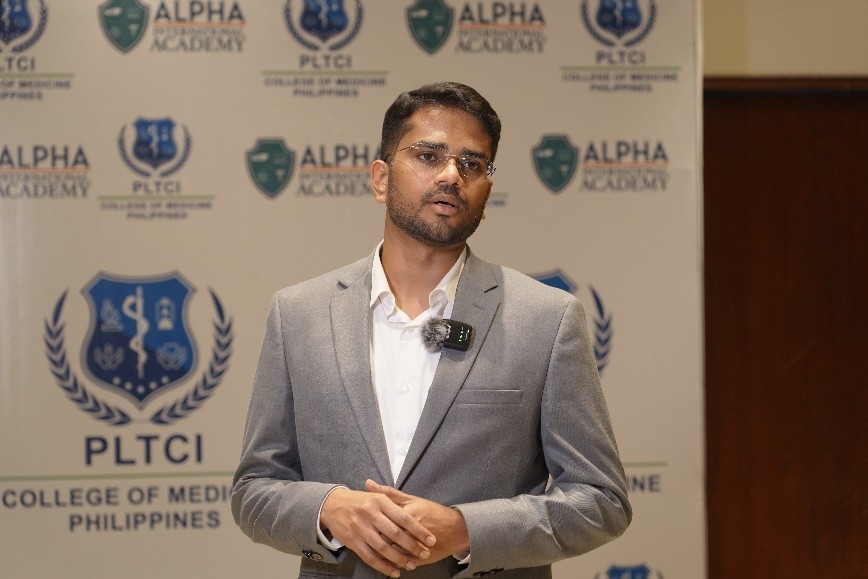
As one of our PLTCI graduates, Dr. Sriram, who cleared FMGE on his first attempt, shared, many of the clinical questions in FMGE reminded him of patients he had managed during his internship.
Instead of trying to recall textbook definitions, he was able to visualise real cases, correlate symptoms with diagnosis, and confidently arrive at the correct answer. Those patient encounters became some of his best revision notes.
In contrast, concerns have been raised that some medical students in Uzbekistan receive very limited hands-on clinical exposure, with few opportunities to directly examine or manage patients during their clinical training. As a result, many rely predominantly on classroom instruction and observation rather than active patient care, which may affect the development of clinical skills and confidence required for medical practice.
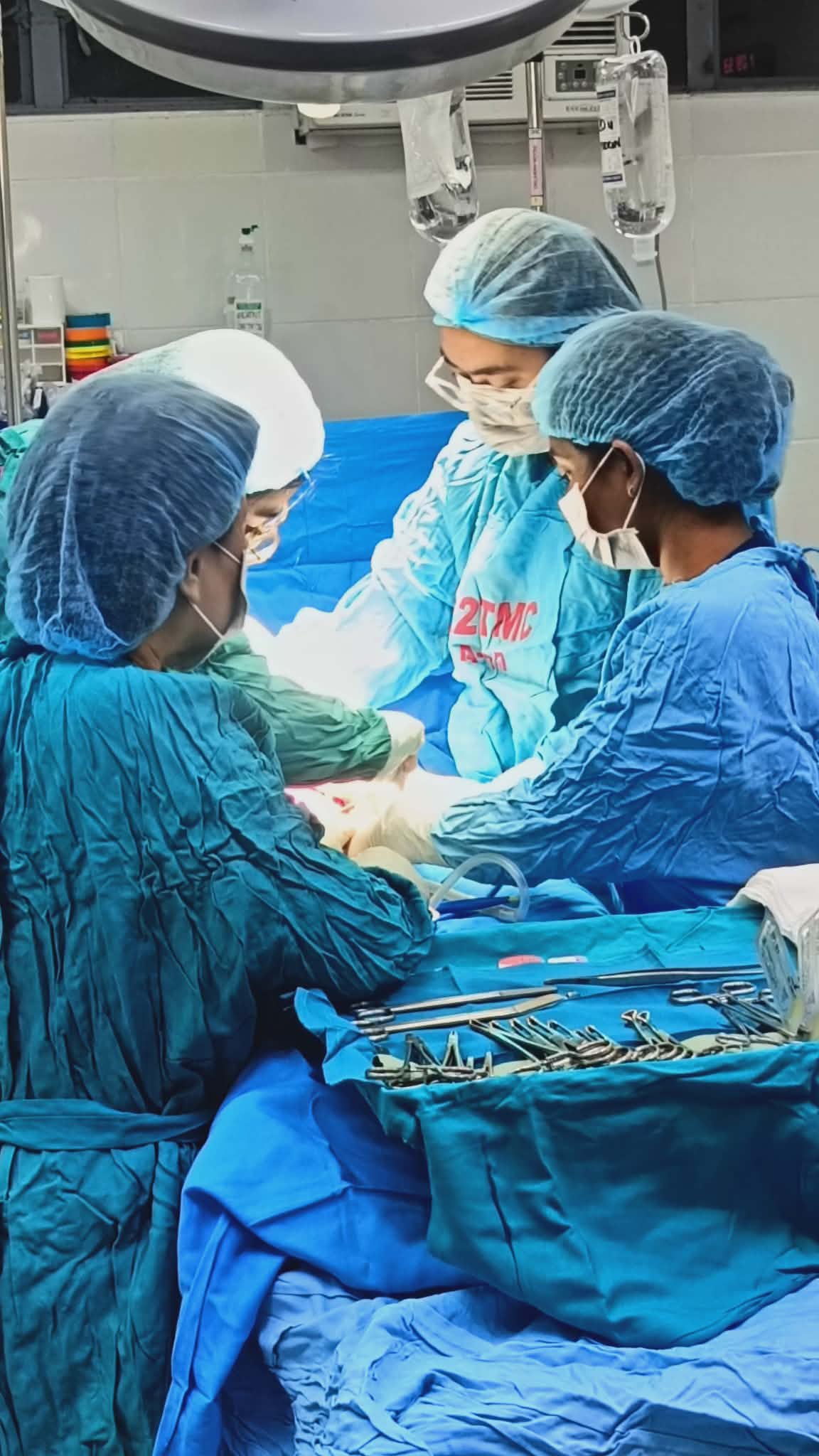
Image source: PLTCI Students
Why Many Students Still Struggle
Image source: MedEnlist Educare
Every year, thousands of graduates appear for FMGE with genuine determination. Yet, many find the examination more difficult than expected. One of the major reasons is that they never received the academic and clinical support needed during medical school.
Some institutions offer limited patient interaction, insufficient clinical postings, or inconsistent teaching. Students may spend years attending lectures but receive very little opportunity to apply what they learn in real hospital settings.
As graduation approaches, these students often realise that their concepts are weak. They then turn to coaching institutes, hoping to fill years of learning gaps in just a few months.
Unfortunately, coaching can strengthen existing knowledge—but it cannot replace a strong medical education.
The Myth of "Guaranteed FMGE Coaching"
Almost every overseas medical college today advertises some form of FMGE coaching. It sounds reassuring. It attracts students. It promises better results.
But an important question often goes unasked: Is coaching enough if the fundamentals were never taught properly?
The reality is that many institutions market FMGE preparation as a separate feature while overlooking the importance of consistent academics throughout the medical programme.
Image source: Residency Advisor
The Numbers Tell Their Own Story
The statistics released by the National Board of Examinations in Medical Sciences (NBEMS) highlight just how competitive the FMGE has become.
In the 2026 FMGE examination, approximately 45,000 candidates appeared for the test, but only around 950 managed to clear it on their first attempt.
These figures remind students that FMGE is certainly challenging—but they also reinforce the importance of choosing a medical college that prepares students consistently throughout the course rather than relying on last-minute coaching.
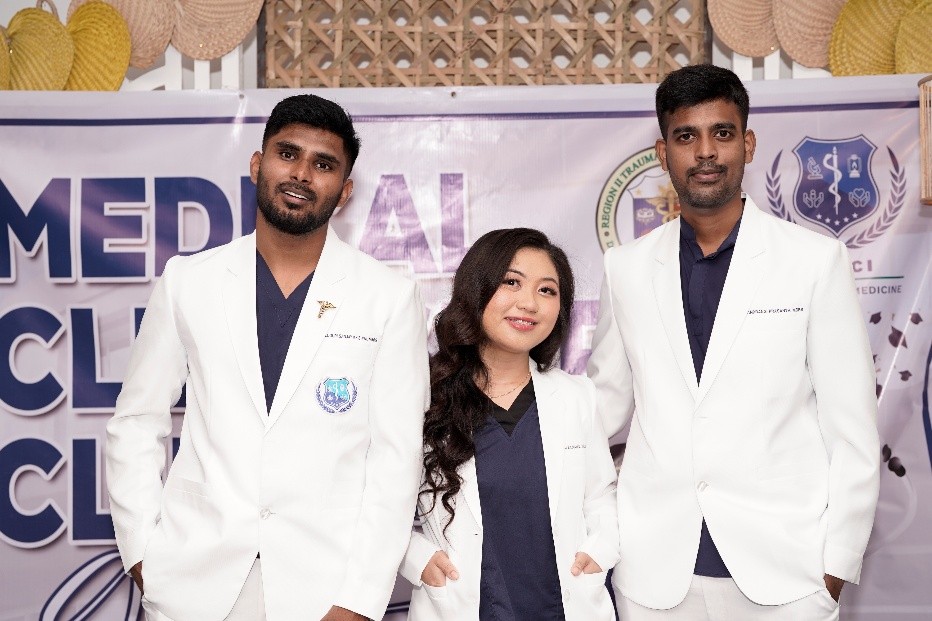
Among those who achieved this milestone were 14 PLTCI graduates, who successfully cleared the 2026 FMGE in their very first attempt.
While every student's journey is unique, their success demonstrates what becomes possible when strong academics are combined with structured clinical exposure, experienced faculty, and disciplined preparation.
Why Internship Matters More Than Students Realise
An internship is much more than a mandatory requirement—it is the bridge between being a medical student and becoming a doctor.
Unfortunately, not every country offers the same level of internship experience. In several countries across Europe and parts of Central America, students are often unable to complete their internship within the same teaching institution.
In many cases, graduates are required to return to India to fulfil internship-related requirements, depending on prevailing NMC regulations.
This lack of continuity can affect clinical confidence and reduce opportunities for hands-on learning.
Clinical learning doesn't end with the final year of medical school—it reaches its peak during internship.
At PLTCI, students complete their internship at the Regional II Trauma and Medical Center (R2TMC), a high-volume government tertiary hospital that exposes them to a wide spectrum of medical and surgical cases.
Working alongside consultants and resident doctors, students participate in ward rounds, emergency care, patient management, and clinical procedures, transforming textbook concepts into practical knowledge.
This continuity of training helps graduates develop the confidence and clinical reasoning that are essential not only for clearing the FMGE but also for building successful medical careers.
Choosing the Right College Is the First Step Towards Clearing FMGE
When students compare medical colleges abroad, conversations often revolve around tuition fees, hostel facilities, or campus life. While these factors are important, they should never overshadow the aspects that truly shape a doctor's future.
Before making a decision, students should ask:
- Does the college provide strong academic support throughout the programme?
- Will I receive extensive clinical exposure from experienced consultants?
- Does the teaching hospital offer a diverse patient load?
- Will I graduate with the confidence to handle real clinical situations?
- Is the institution preparing me to become a doctor—or simply helping me earn a degree?
The answers to these questions often determine how well students perform in licensing examinations like FMGE.
Success in FMGE Begins Long Before the Exam
FMGE is undoubtedly one of the most challenging milestones for foreign medical graduates. But challenging does not mean impossible.
At PLTCI, graduates who cleared the FMGE on their very first attempt are a reflection of years of consistent academic training, meaningful clinical exposure, dedicated faculty mentorship, and internship experiences that enabled them to connect classroom learning with real-world patient care.
Ultimately, the journey to clearing FMGE begins long before the examination hall. It begins with choosing a medical college that invests in your education every single day.

Image source: India Today
This article is brought to you by YourPLTCI, a platform dedicated to guiding Indian students towards safe and structured MBBS abroad pathways.