"Are you choosing a country—or are you choosing the kind of doctor you want to become?"
Imagine this. Your NEET results are out. The excitement of becoming a doctor is still alive, but the competition for medical seats in India has left you searching for alternatives.
The internet offers thousands of suggestions. "Go to Russia." "Georgia has excellent universities." "Uzbekistan is affordable." "The Philippines has English-medium education."
Every country promises quality education. Every consultant claims to have the "best option."
But here's the real question: Are you choosing a country—or are you choosing the kind of doctor you want to become?
So, how do five destinations—the Philippines, Russia, Georgia, Uzbekistan, and Timor-Leste—compare? Let's explore.
Image source: Residency Advisor
What Should Students Compare Before Choosing an MBBS Destination?
Before comparing countries, it is important to understand what truly matters. Many students focus only on affordability. Others choose based on rankings. Some simply follow friends.
But should a six-year medical education be decided that way?
Instead, ask yourself:
- Will I receive quality clinical exposure?
- Is the curriculum aligned with NMC regulations?
- Will I study in English?
- Where will I complete my internship?
- Will I interact with enough patients?
- How will this education prepare me for FMGE or the National Exit Test (NEXT)?
Image source: Career Ambit
The Philippines: Learning Medicine Through Patients
For decades, the Philippines has remained one of the preferred destinations for Indian students pursuing medical education. One reason stands out immediately—English is the medium of instruction.
From classrooms and practical sessions to hospital postings and patient interactions, English is widely used, allowing Indian students to adapt quickly.
But language is only part of the story. The real strength of medical education in the Philippines lies in its patient-centred clinical training. Students begin interacting with patients during their clinical years, gradually developing communication skills, diagnostic reasoning, and confidence.
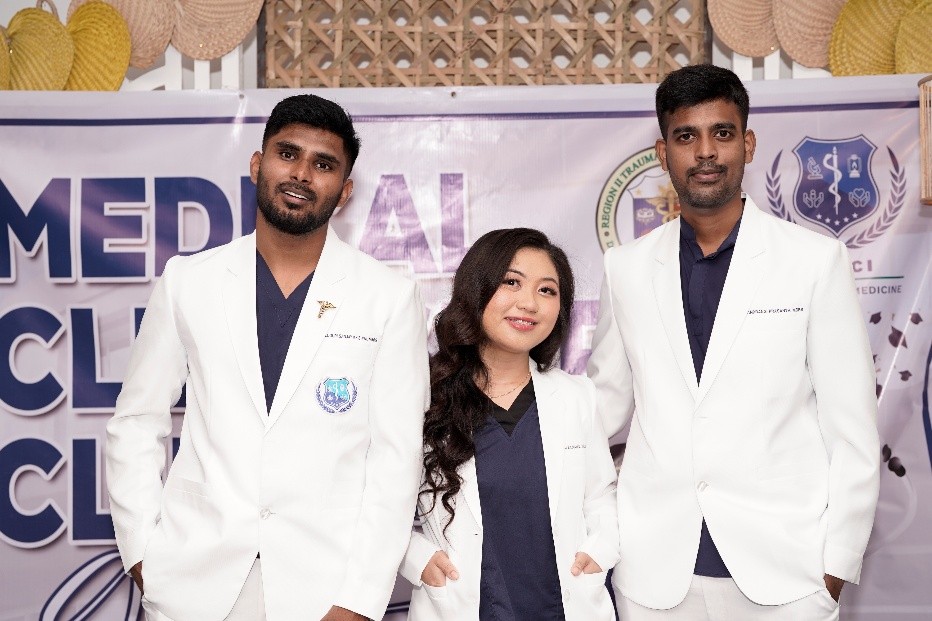
At institutions such as PLT College of Medicine (PLTCI), students complete their internship at the Regional II Trauma and Medical Center (R2TMC), one of the busiest government tertiary hospitals in the region.
Here, they are exposed to a diverse patient population, emergency medicine, surgery, obstetrics and gynaecology, paediatrics, internal medicine, and other specialties under the guidance of experienced consultants.
Another significant development for Indian students is the regulatory clarity provided in 2026. While there were earlier concerns regarding eligibility for professional registration, the recent advisory issued on 17 June 2026 confirms that eligible graduates may obtain the Certificate of Registrability and the licence to practise medicine in the Philippines, enabling them to return to India and pursue the FMGE and future licensing requirements in accordance with the prevailing National Medical Commission (NMC) regulations.
Russia: Strong Academics with Diverse Universities
Russia has long been a popular destination for Indian medical students. Many universities have decades of experience teaching international students and offer modern infrastructure, well-established medical programmes, and research opportunities.
However, students should carefully evaluate several important factors before making a decision. Russia experiences long and severe winters, with temperatures in many regions falling well below freezing for several months each year. Adapting to the climate can be challenging, particularly for students from tropical countries like India.
Another important consideration is the language used during clinical training. Although many universities offer English-medium programmes in the initial years, clinical postings typically involve direct interaction with local patients, making proficiency in the Russian language essential.
Effective communication with patients is a vital part of developing clinical competence and confidence.
Students should also be aware of the advisory issued by the Embassy of India in Moscow. According to the advisory, graduates must clear the Russian accreditation (licensing) examination, which is conducted in the Russian language, to become eligible for a licence to practise medicine in Russia.
Since the National Medical Commission (NMC) requires foreign medical graduates to obtain a qualification that is recognised for registration or licensure in the country where it is awarded, prospective students should understand these requirements and verify that their chosen university fulfils all applicable regulatory criteria before taking admission.
Therefore, students considering Russia should evaluate not only the university's reputation and affordability but also the availability of English-language teaching, the extent of clinical exposure, language requirements, licensing regulations, and patient interaction throughout the programme.
Image source: Law MSU
Georgia: Growing Popularity Among International Students
Georgia has gained attention over the last decade due to its modern campuses, European-style curriculum, and increasing number of international students. Many universities provide English-medium education and maintain relatively small class sizes.
Prospective students should also verify claims made during the admission process regarding clinical registration and eligibility for medical licensure.
Some promotional materials refer to a "Junior Doctor" status after graduation. Students should understand that registration and a licence to practise are not always the same, and eligibility under the National Medical Commission (NMC) depends on meeting the applicable regulations in force at the time of graduation.
Before taking admission, students should confirm the pathway to obtaining a full licence to practise in the country of study, including any additional internship, postgraduate training, or licensing examinations that may be required.
Understanding these requirements in advance can help students avoid unexpected delays in becoming eligible for licensing and future practice.
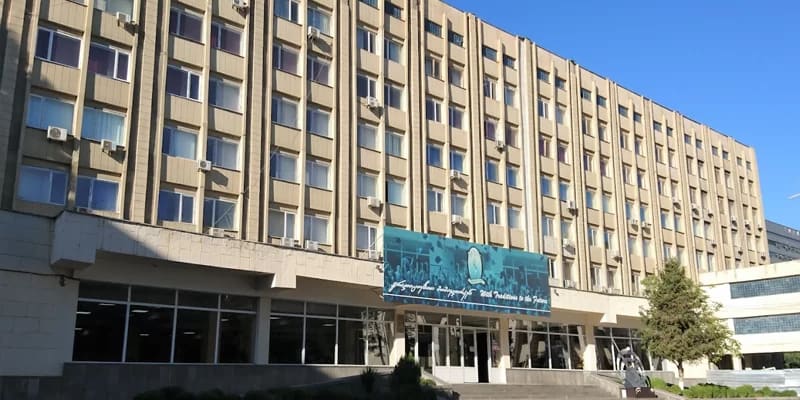
Image source: Sputnik Georgia
Uzbekistan: An Emerging Option for Medical Education
Uzbekistan has become an increasingly popular destination for Indian students seeking an affordable MBBS abroad. Several universities offer English-medium programmes for international students, and the country's geographical proximity to India makes travel relatively convenient.
Lower tuition fees and living expenses also attract many families looking for cost-effective medical education.
However, students should carefully evaluate the quality of clinical training before taking admission. It is important to verify the availability of cadaver-based anatomy training, patient volume in affiliated teaching hospitals, and whether students need to travel to other hospitals for clinical postings.
Language is another key consideration, as patient interactions during clinical rotations may largely take place in local languages, potentially limiting hands-on clinical exposure.
The National Medical Commission (NMC), in its 1 April 2026 advisory, urged Indian students and parents to exercise utmost caution before seeking admission to medical colleges in Uzbekistan.
Citing information from the Embassy of India in Tashkent, the advisory highlights concerns regarding inadequate hands-on clinical training due to language barriers and reminds students to ensure that their chosen university fully complies with the FMGL Regulations, 2021, including requirements related to English-medium instruction, clinical training, internship, and licensing eligibility.
Image source: TMA
Timor-Leste: A Newer Destination Worth Careful Evaluation
Timor-Leste has recently begun attracting attention from Indian students exploring emerging destinations for medical education. While some institutions offer medical programmes with English as a medium of instruction and maintain collaborations with international universities, the country remains a relatively new option compared with established destinations such as the Philippines, Russia, Georgia, and Uzbekistan.
With a population of approximately 1.3 million, Timor-Leste has a relatively small healthcare ecosystem. Medical education for Indian students is also at a very early stage, with the first batches only beginning their clinical years.
As a result, there are currently few graduates and limited long-term outcomes available to evaluate the quality of training, licensing pathways, and graduate performance.
Students should therefore conduct thorough research before taking admission. It is essential to verify the university's recognition, affiliated teaching hospitals, patient volume, internship structure, and compliance with the latest NMC regulations.
Since the programme is still evolving, prospective students should also seek clarity on eligibility for medical registration in India under the applicable NMC regulations before making a decision.
Image source: Wikimedia Commons
Internship: Where Learning Truly Comes Alive
An internship is often the bridge between being a student and becoming a doctor. Some countries require graduates to complete internship separately or fulfil additional requirements depending on prevailing regulations.
Students should always verify how internship is structured before taking admission.
At PLTCI, students complete their internship at the Regional II Trauma and Medical Center (R2TMC), allowing them to continue learning within the same clinical ecosystem.
Working alongside experienced consultants, they participate in patient care, emergency duties, ward rounds, deliveries, surgeries, and various clinical procedures.
Preparing for FMGE Begins Long Before Graduation
One of the biggest misconceptions among students is that FMGE preparation starts after completing MBBS abroad. In reality, success in FMGE begins on the very first day of medical school.
A strong academic foundation, dedicated faculty, consistent assessments, clinical discussions, and hands-on patient care build the understanding needed to solve clinically oriented questions.
At PLTCI, FMGE preparation is integrated throughout the medical programme rather than being treated as a separate coaching course. High-yield FMGE concepts are incorporated into the curriculum from the early years, helping students develop a strong conceptual foundation alongside their regular medical studies.
Several PLTCI graduates who cleared FMGE on their first attempt have shared that many examination questions reminded them of actual patients they encountered during their internship at R2TMC.
This integration of classroom learning with real clinical experience strengthens both examination performance and clinical competence.
As India prepares for the transition to the National Exit Test (NEXT), PLTCI's curriculum—based on the Philippine and U.S. medical education framework—also equips students with the clinical reasoning, evidence-based learning, and patient-centred approach expected in future licensing examinations.
Questions Every Student Should Ask Before Choosing a Medical College
Before signing your admission letter, ask yourself:
- Is the university recognised by the appropriate authorities?
- Does it follow the latest NMC guidelines?
- How early do students begin clinical postings?
- Which teaching hospital is attached to the university?
- Is the internship completed in the same institution?
- Will I interact with real patients regularly?
- What support is available for FMGE or NEXT preparation?
- What are the outcomes of previous graduates?
Image source: Insider Guides
So... Which Country Is the Better Choice?
There is no universal answer. The best country depends on the quality of education offered by the institution you choose.
However, students looking for:
- English-medium education
- Extensive clinical exposure
- Structured internship
- Strong patient interaction
- NMC-aligned medical education
- Supportive learning environment
often consider the Philippines a compelling option.
Within the Philippines, choosing a medical college with experienced faculty, affiliated teaching hospitals, and meaningful clinical training can make a significant difference in shaping both examination success and future medical practice.
Whether you choose the Philippines, Russia, Georgia, Uzbekistan, or Timor-Leste, your decision should never be based solely on advertisements or affordability.
Instead, focus on the factors that truly define a quality medical education: strong academics, experienced faculty, meaningful clinical exposure, internship opportunities, and a learning environment that prepares you for real-world medicine.
And that journey begins with one informed decision.
Image source: Online image
This article is brought to you by YourPLTCI, a platform dedicated to guiding Indian students towards safe and structured MBBS abroad pathways.