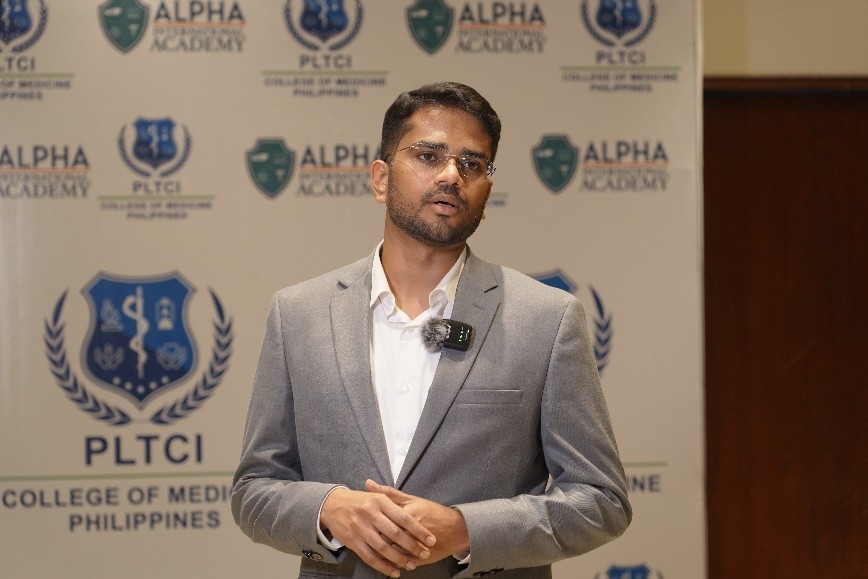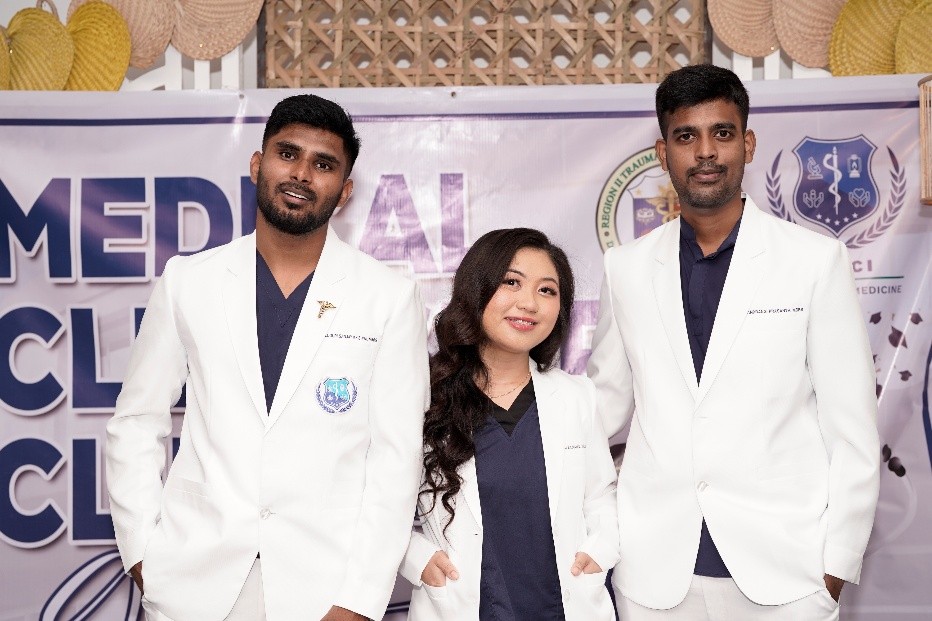
R2TMC serves as an important clinical training environment for PLTCI medical students. The hospital provides a dynamic healthcare setting where students can observe a diverse range of medical conditions and patient cases across multiple departments.
As one of the region's largest government hospitals, R2TMC is a 106-year-old, ISO-certified institution operated by the Philippine National Government. During a recent visit by the PLTCI team, the hospital administration shared that by 10 a.m. alone, outpatient registrations had already crossed 1,400 patients across various departments.
Such patient volume creates a rich learning environment and ensures students are exposed to a wide variety of clinical cases throughout their training.
Rather than limiting learning to classrooms, students are exposed to actual healthcare delivery systems, allowing them to better understand how medical knowledge is applied in everyday clinical practice.
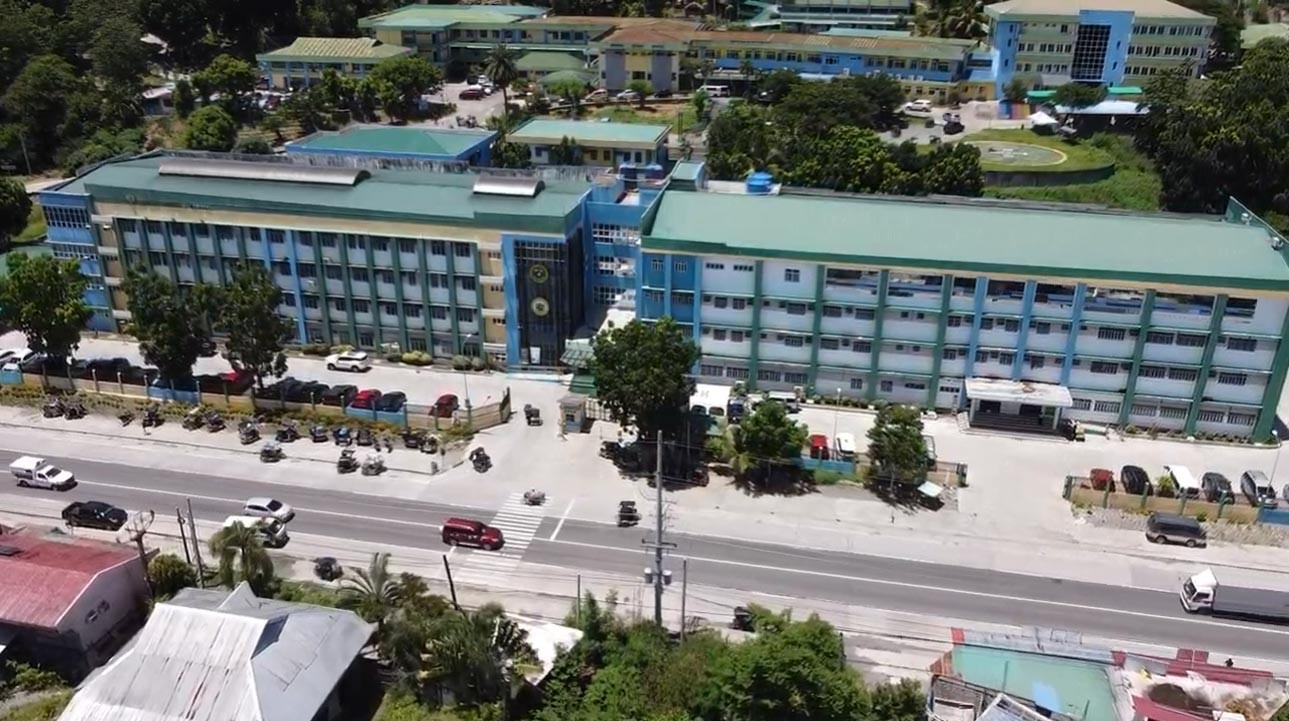
Image source: PLTCI Students
Learning Through Real Patient Cases
Every patient presents a unique story, set of symptoms, and clinical challenges. Through supervised observation and participation, students learn to take patient histories, observe physical examinations, understand diagnostic processes, interpret clinical findings, and follow treatment plans.
For many PLTCI students, these interactions become defining moments in their medical journey. Whether it is assisting during deliveries, participating in emergency care, observing trauma management, or interacting with patients facing psychological challenges, students gain exposure to medicine in its most practical and human form.
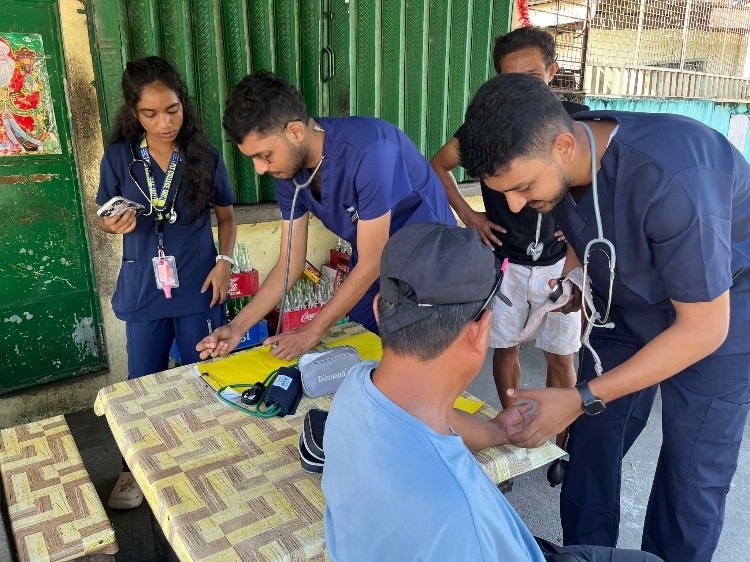
Image source: PLTCI Students
Exposure to Different Medical Specialties
Medicine is a broad and diverse profession. During their clinical training, students gain exposure to multiple specialties, helping them understand the various branches of healthcare.
These may include areas such as:
- Internal Medicine
- Pediatrics
- Surgery
- Obstetrics and Gynecology
- Emergency Medicine
- Family Medicine
- Community Health
- Psychiatry
In Obstetrics and Gynecology, students receive significant hands-on exposure during labour room duties. A PLTCI student, Sneha from Coimbatore, assisted in 27 deliveries during a single duty shift in her internship rotation.
Students are often involved in monitoring labour, assisting consultants, and learning neonatal care immediately after birth. Some students have even served as first assistants during Caesarean sections under supervision.
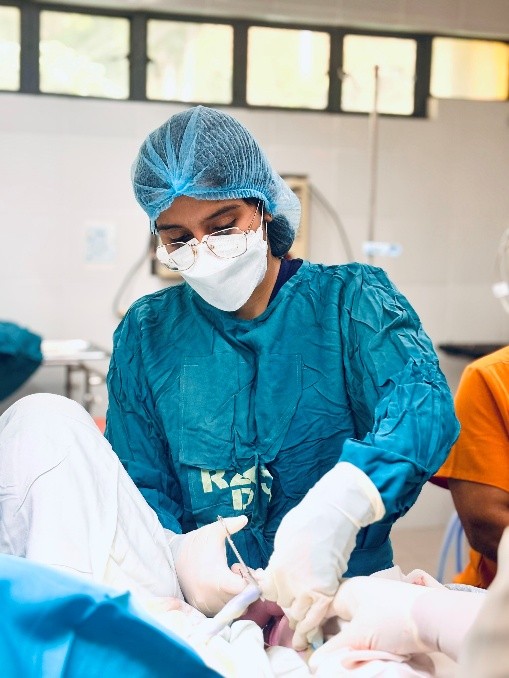
Image source: PLTCI Students
The Pediatrics and NICU departments provide equally valuable experiences. Students learn newborn resuscitation, cord clamping, neonatal assessment, and immediate post-delivery care.
These experiences help students understand the critical transition from childbirth to newborn management.
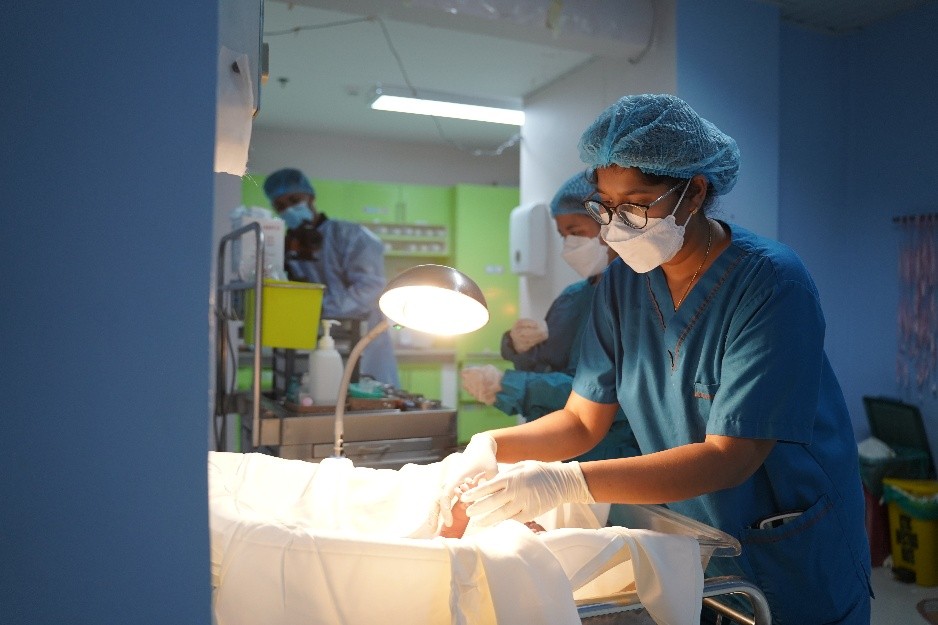
Image source: PLTCI Students
In Internal Medicine, students encounter a wide variety of medical conditions, including critically ill patients. Our student, Franklyn Bernord from Chennai, shared that during his two-month Internal Medicine rotation, he participated in approximately 18 CPR procedures, gaining invaluable hands-on experience in managing critical emergencies.
Students also gain exposure to ECG procedures, emergency response protocols, and patient monitoring, helping them understand how healthcare teams function in high-pressure situations.
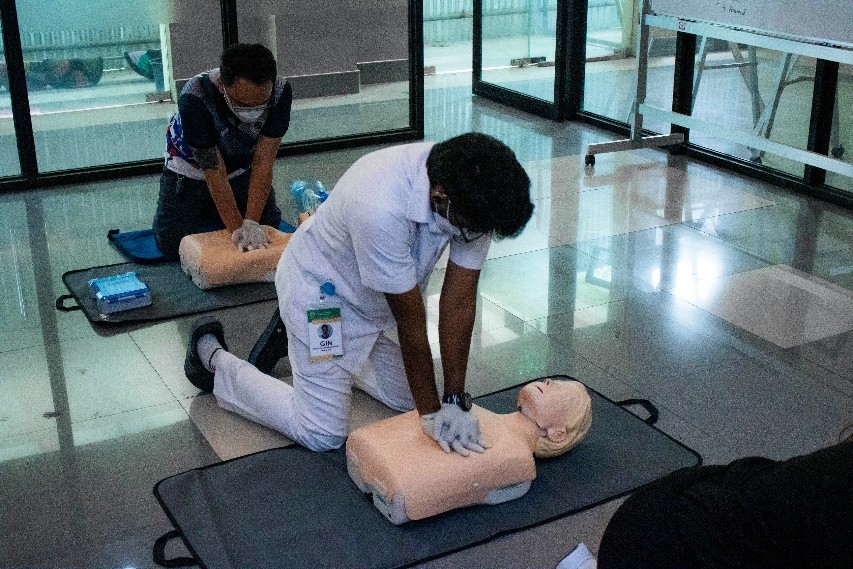
Image source: PLTCI Students
The Surgery Department exposes students to trauma and emergency cases commonly seen in a large government hospital. Students observe and assist in wound management, suturing, catheterization, nasogastric tube insertion, chest tube procedures, and trauma care.
One student recalled assisting in the suturing of a severe workplace injury involving a carpenter whose hand had been badly damaged in an accident.
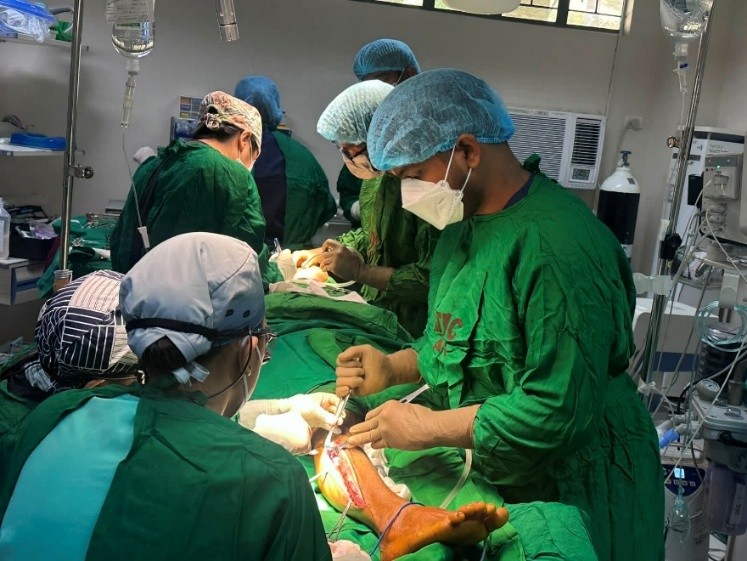
Image source: PLTCI Students
Operating room exposure is another important aspect of training. Students are required to attend surgeries, where consultants often ask questions related to anatomy, pathology, and surgical procedures.
One PLTCI student from Chennai even assisted during a complex 14-hour ENT surgery, gaining invaluable insight into surgical teamwork and patient management.
Orthopaedic rotations expose students to fracture management, trauma cases, and orthopaedic procedures. Our PLTCI student Ruia from Maharashtra participated in an amputation procedure and observed the use of orthopaedic surgical instruments during the operation.
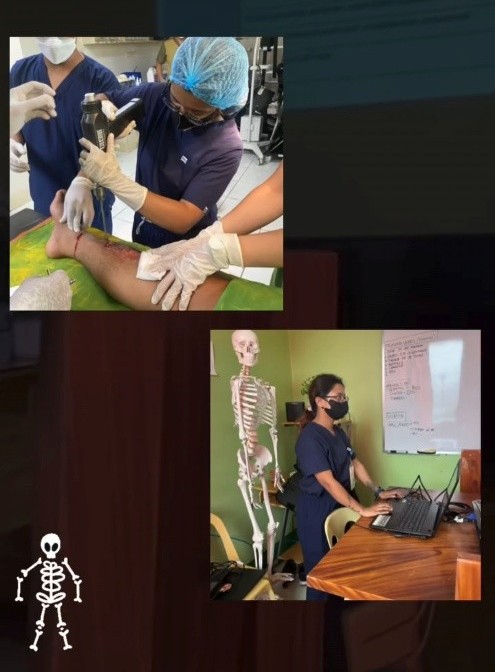
Image source: PLTCI Students
Psychiatry rotations allow students to interact with patients experiencing mental health conditions such as schizophrenia and mood disorders. These experiences teach students the importance of empathy, communication, and patient-centered care.
In one memorable case, a young sexual abuse survivor who struggled to communicate with healthcare providers gradually developed trust in a PLTCI student, Swetha from Tamil Nadu, and began sharing her experiences, highlighting the human side of medicine that cannot be learned from books alone.
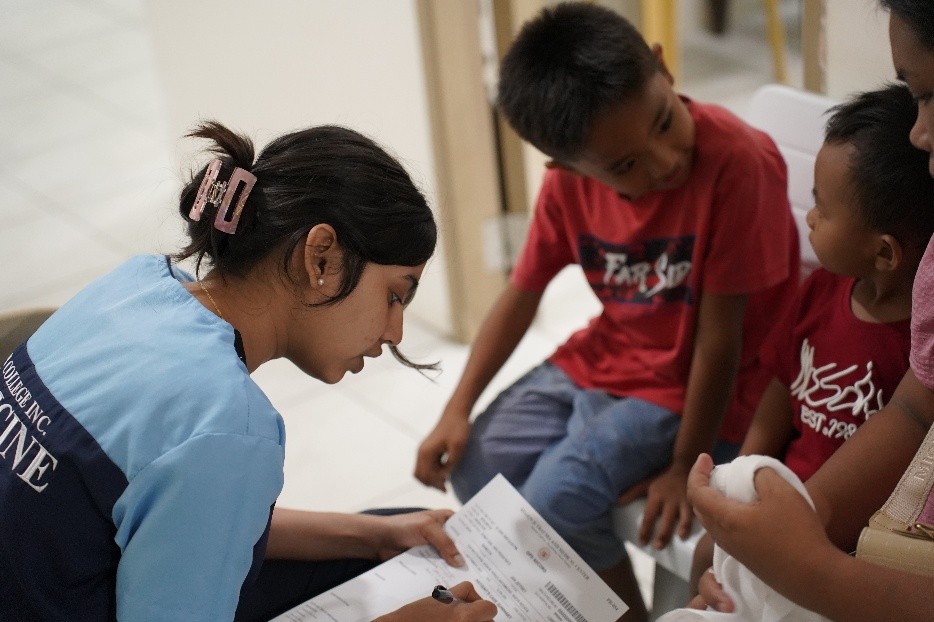
Image source: PLTCI Students
Learning from Consultants and Resident Doctors
Clinical learning extends beyond patient interactions. Students also benefit from observing experienced consultants and resident doctors who guide diagnosis, treatment planning, and patient management.
By working alongside healthcare professionals, students gain insights into:
- Clinical decision-making
- Professional ethics
- Patient communication
- Team-based healthcare delivery
- Evidence-based medical practice
At R2TMC, consultants actively engage students during ward rounds, case discussions, surgeries, and emergency procedures. Students are encouraged to ask questions, participate in discussions, and apply their medical knowledge in real clinical situations.
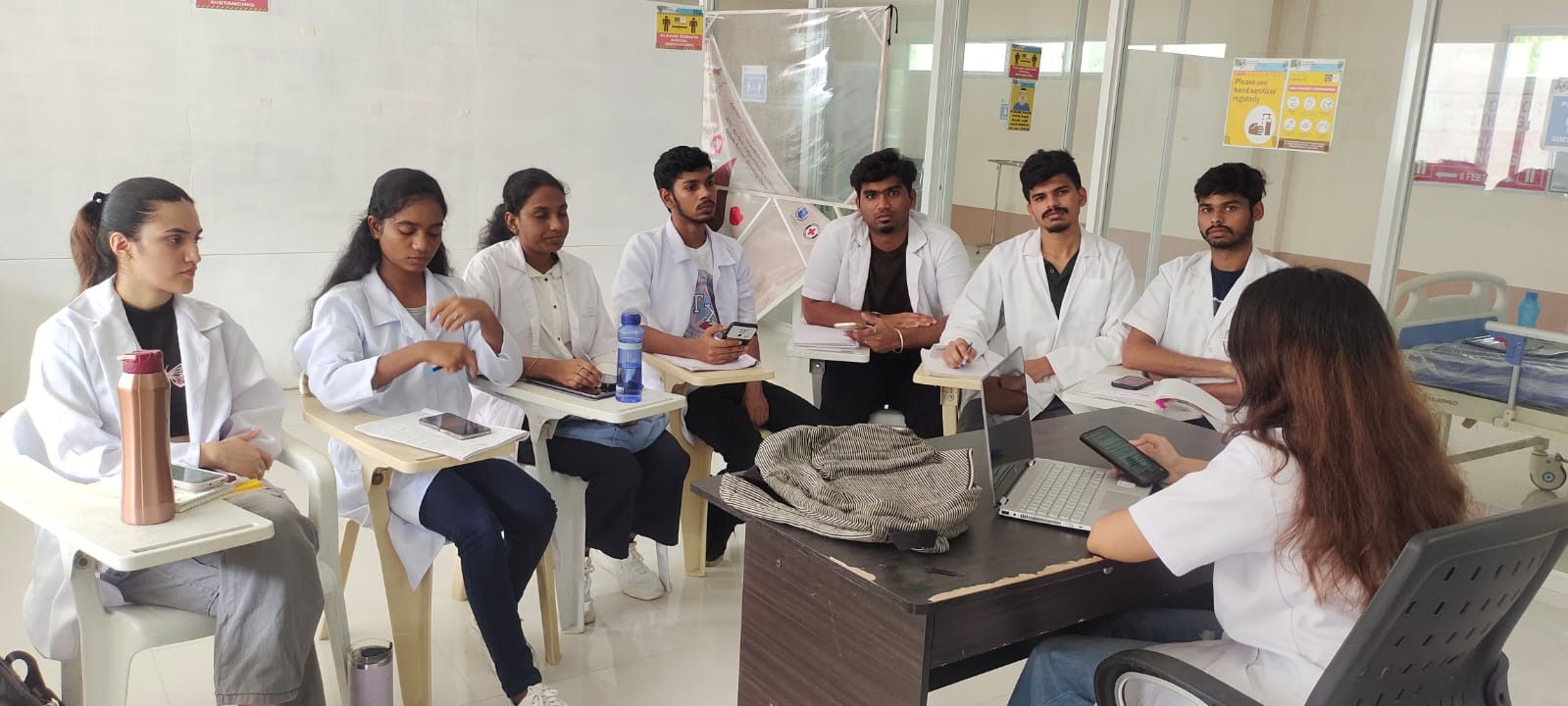
Image source: PLTCI Students
Emergency Room and Ward-Based Learning
Healthcare is often unpredictable. Emergency departments and hospital wards provide students with opportunities to observe a wide variety of medical situations and patient care scenarios.
Within these settings, students may witness:
- Acute medical emergencies
- Patient monitoring
- Treatment procedures
- Multidisciplinary healthcare teamwork
- Continuity of patient care
Due to the high patient volume at R2TMC, students regularly encounter emergency situations that require quick decision-making and coordinated teamwork.
Whether observing CPR attempts, trauma management, emergency procedures, or critical care interventions, students gain exposure to the realities of hospital medicine while developing the ability to think critically in fast-paced clinical environments.
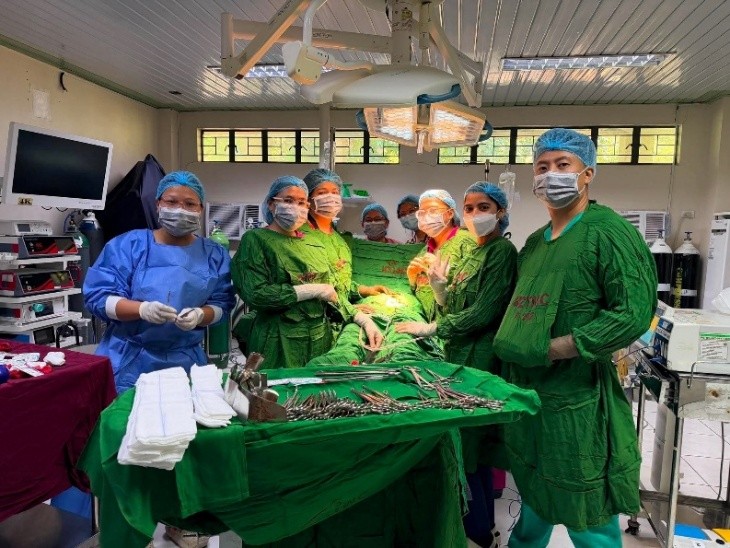
Image source: PLTCI Students
Internship Experience
Internship represents one of the most important stages of medical education. During this period, students move from observation to more active participation under supervision.
These experiences allow future doctors to:
- Strengthen clinical skills
- Improve patient interaction abilities
- Enhance diagnostic reasoning
- Apply medical knowledge in practical settings
- Develop professional responsibility
At R2TMC, students often describe internship as the stage where medicine truly comes alive. They assist in deliveries, participate in ward rounds, attend surgeries, engage in emergency care, and learn directly from consultants and residents.
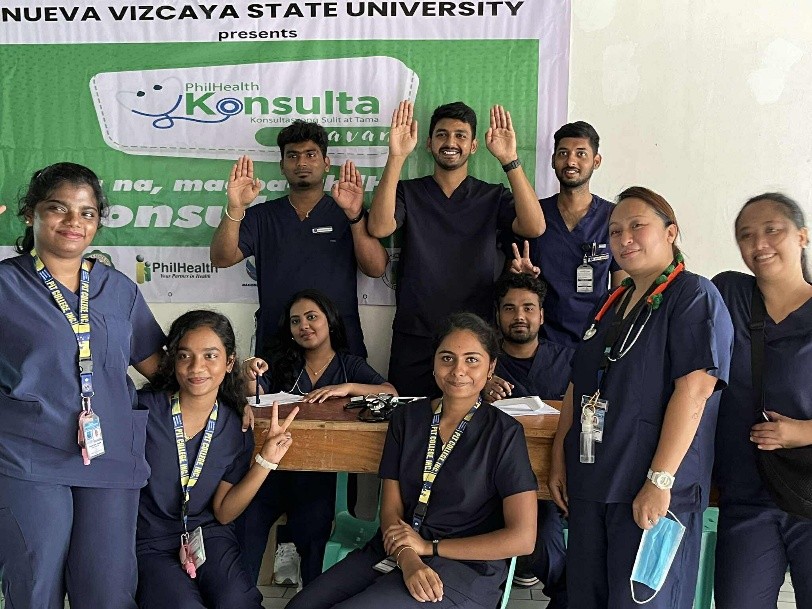
Image source: PLTCI Students
How Clinical Training Supports the PLTCI Medical Journey
At PLTCI College of Medicine, through structured academic instruction combined with hospital-based exposure at R2TMC, students are able to experience medicine beyond the classroom.
The impact of this hands-on training is reflected in the achievements of PLTCI graduates. Sriram from Erode, one of the college's alumni, successfully cleared the FMGE on his first attempt and attributes much of his confidence to the extensive clinical exposure and practical experience he gained during his training at R2TMC.
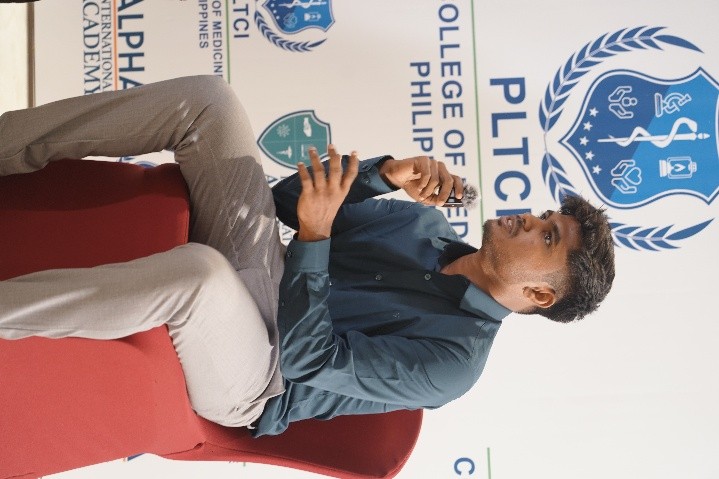
Image source: PLTCI Students
This article is brought to you by YourPLTCI, a platform dedicated to guiding Indian students towards safe and structured MBBS abroad pathways.