If you've cleared NEET but found the local options either too competitive or too expensive, you're likely looking at the world map. But where do you start? How do you move from a student in Delhi or Mumbai to a medical trainee in the Philippines or beyond? This guide breaks down the entire journey into simple, actionable steps.
Image source: AI generated image
Eligibility Criteria for MBBS Abroad (Indian Students – 2026)
Before you pack your bags, you need to ensure you meet the legal and academic requirements set by both India and your destination country.
Image source: AI generated image
- NEET Qualification: To practice in India after your degree, you must qualify for NEET. Even if you study abroad, this is your mandatory "No Objection Certificate" from the Indian government.
- Academic Scores: Most universities require at least 50% in PCB (Physics, Chemistry, Biology) for General category students and 40% for SC/ST/OBC.
- Age Limit: You must be at least 17 years old by December 31st of the year of admission.
- Language Proficiency: While some European countries require IELTS, destinations like the Philippines are much smoother for Indians as the medium of instruction is English.
Choosing the Right Country for MBBS Abroad
This is the most critical decision you will make. It's not just about a degree; it's about the next 5–6 years of your life. When choosing where to study MBBS abroad, Indian students are increasingly exploring destinations that offer a balance of affordability, quality education, and strong clinical exposure.
Popular Destinations for Indian Students (2026)
- Philippines – Best for clinical exposure and English-medium education
- Russia – Affordable tuition with a wide range of universities
- Georgia – Growing popularity with modern infrastructure
- Kazakhstan – Budget-friendly option with increasing Indian student intake
What to Consider When Choosing the Right Country
- Clinical Exposure: Does the university have high-volume government hospitals for training?
- Disease Patterns: Are you studying diseases like Malaria and Dengue that you will actually treat in India?
- NMC/WHO Recognition: Ensure the college is listed in the World Directory of Medical Schools.
- Climate & Culture: Will you be able to adjust to -20°C in Russia, or would the tropical climate of the Philippines feel more like home?
Documents Required for MBBS Abroad Admission
Preparing documents requires time and attention, so begin early. You will typically need:
- 1
10th and 12th Marksheets
Attested/Apostilled.
- 2
NEET Scorecard
Showing you have qualified.
- 3
Valid Passport
Valid for at least two years.
- 4
Birth Certificate
- 5
Passport-size Photographs
Usually with a white background.
- 6
Medical Fitness Certificate
MBBS Abroad Admission Process: Step-by-Step
- 1
University Selection
Finalize your university based on your budget and clinical preferences.
- 2
Application Submission
Fill out the university's online application form and upload scanned copies of your documents.
- 3
Admission Review
The university's admission committee reviews your profile.
- 4
Interview (Optional)
Some top-tier colleges in the Philippines or Europe may conduct a brief online interview.
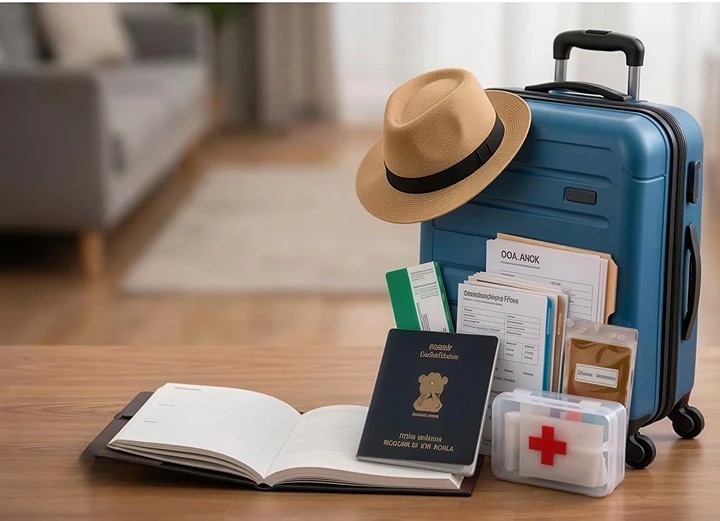
Image source: AI generated image
Offer Letter & Admission Confirmation
Once accepted, you will receive a Provisional Admission Letter.
- The "Seat Booking" Fee: You will usually be asked to pay a portion of the first-year tuition fee or an admission fee to secure your spot.
- Final Admission Letter: Once the payment is verified, the university issues the final invitation letter, which is the primary document for your Visa.
Student Visa Process for MBBS Abroad: Common Mistakes to Avoid
The Visa interview is often where students feel the most pressure.
- Common Mistakes: Discrepancies in financial documents, lack of "Statement of Purpose" (SOP) clarity, or having an outdated passport.
- Financial Proof: You must show that your family has sufficient funds to cover tuition and living expenses for at least the first year.
- Apostille: Ensure your educational documents are verified by the Ministry of External Affairs (MEA) in India.
- Institutional Support: Colleges like PLTCI College of Medicine provide end-to-end visa assistance, guiding students through documentation, interview preparation, and the entire process.
Travel & Pre-Departure Checklist
Don't wait until the last week!
- Forex Card: Not mandatory—you can carry a mix of cash (USD or local currency) and use international debit/credit cards issued by Indian banks for transactions and emergencies.
- Essential Supplies: While most things are available abroad, carry a basic medical kit, and some Indian spices to help with the initial homesickness.
- Documentation: Carry original documents plus at least 5 sets of photocopies.
- Travel Support: At PLTCI College of Medicine, staff travel along with students to ensure their safe arrival at the university.
What Happens After Reaching the Country?
The journey doesn't end at the airport.
- University Registration: You will visit the campus to complete physical document verification.
- Medical Check-up: Most countries require a local health screening (for TB, HIV, etc.) upon arrival.
- Residence Permit: You will apply for a local student permit or "Alien Certificate of Registration" (in the Philippines) to legally stay during your course.
Miscellaneous Expenses Students Should Know
Transparency is key. Beyond the tuition fee, factor in:
- Visa Extensions: Usually an annual cost.
- Uniforms: Especially clinical scrubs and medical kits.
- Health Insurance: Mandatory in most foreign countries.
- Hostel Amenities: Some hostels charge extra for electricity, Wi-Fi, or laundry. However, colleges like PLTCI College of Medicine (Philippines) offer hostels where these amenities are included within the hostel fee, reducing additional expenses.
Direct Admission vs Agents: What Indian Students Must Know
This is the "Golden Rule" of 2026: Be wary of agents who make tall promises.
- The Agent Trap: Some agents suggest universities based on the "commission" they receive, not the quality of the hospital training.
- The Direct Route: There are platforms that work as direct facilitators, ensuring you have a safe and structured pathway.
Your Global Medical Journey Starts Here
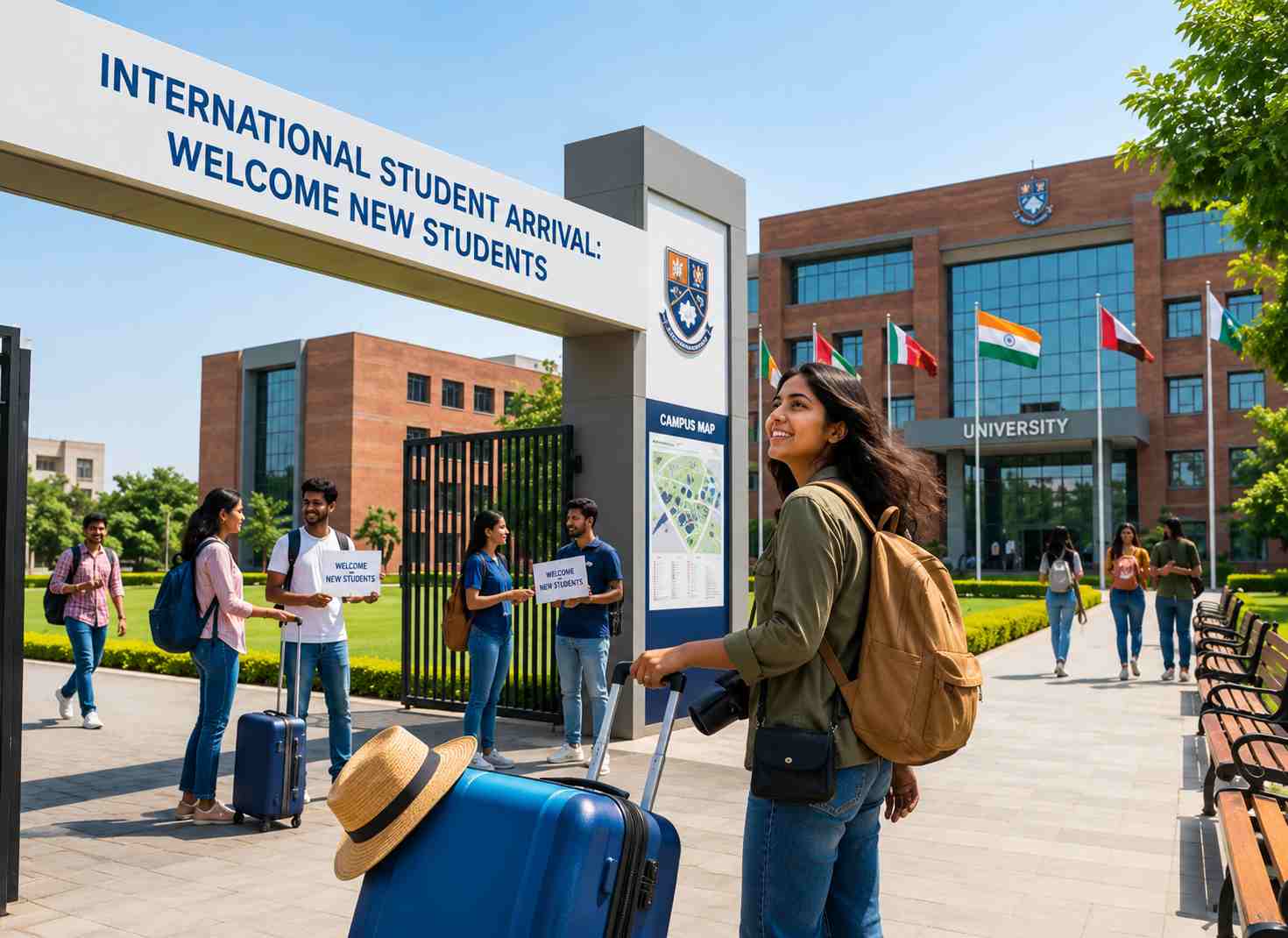
Image source: AI generated image
Choosing to study MBBS abroad is a practical alternative for those who refuse to let a limited number of Indian seats define their future. It is a long-term commitment that requires proper research and informed decision-making.